
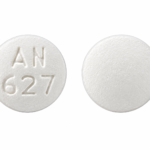
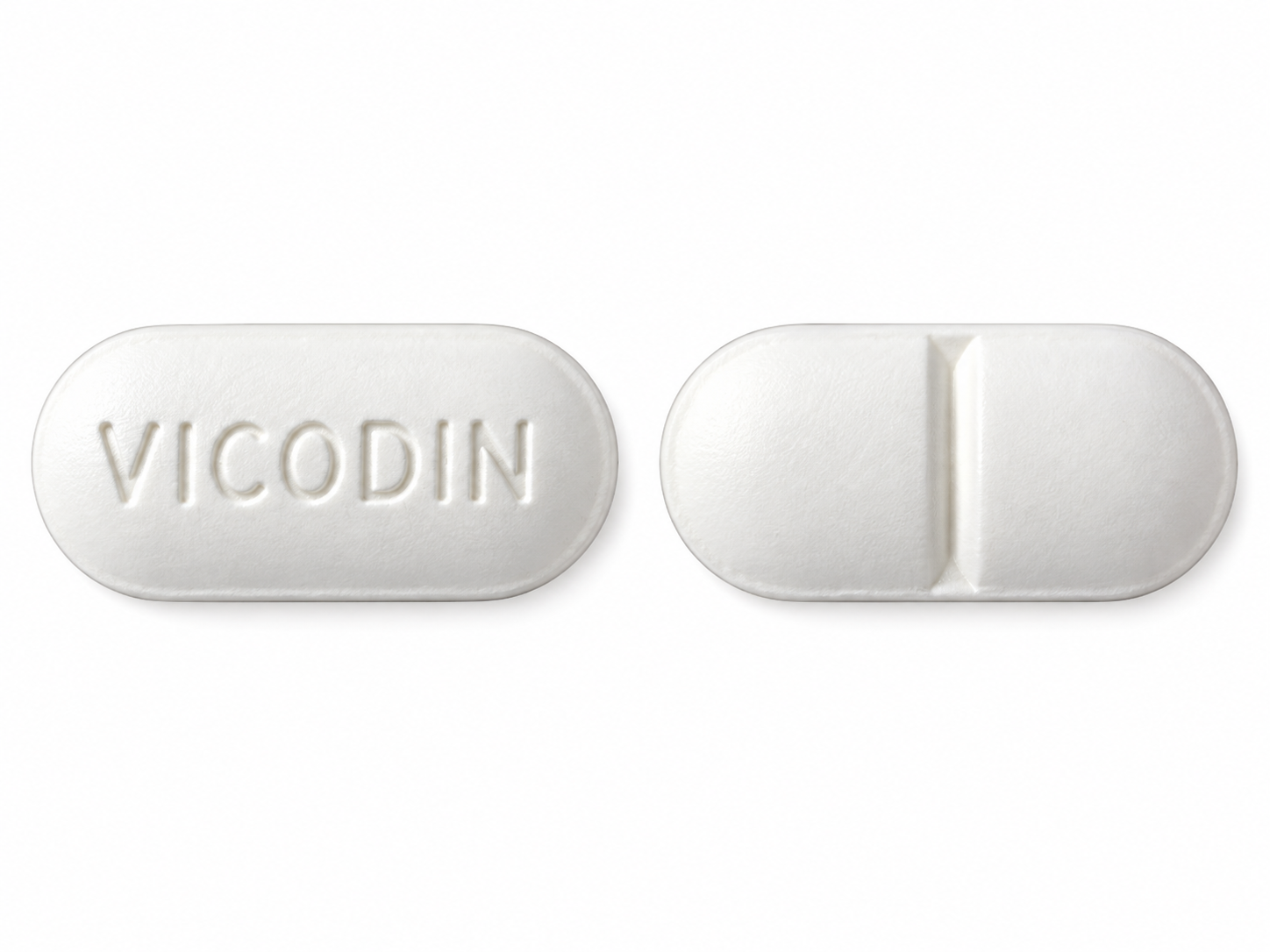
What Is Vicodin 5/500 mg?
Vicodin 5/500 mg is a historical prescription pain-relief formulation containing two active ingredients: 5 mg of hydrocodone bitartrate and 500 mg of acetaminophen per tablet.
Hydrocodone is an opioid analgesic that acts on the central nervous system to reduce the perception of pain. Acetaminophen is a non-opioid pain reliever that also helps reduce fever. Together, these ingredients provide pain relief through different mechanisms.
Vicodin 5/500 mg was prescribed for certain types of moderate to moderately severe pain. However, this particular strength is an older formulation. In response to concerns about acetaminophen-related liver injury, the FDA asked manufacturers to limit prescription combination products to no more than 325 mg of acetaminophen per dosage unit. The original 5/500 mg formulation was subsequently replaced by lower-acetaminophen formulations.
Important: Vicodin 5/500 mg should not be confused with newer hydrocodone/acetaminophen formulations, such as 5/300 mg or 5/325 mg. Always check the exact ingredients and strength on the medicine packaging.
What Are the Ingredients in Vicodin 5/500 mg?
Each historical Vicodin 5/500 mg tablet contains:
| Active ingredient | Amount | Purpose |
|---|---|---|
| Hydrocodone bitartrate | 5 mg | Opioid pain relief |
| Acetaminophen | 500 mg | Non-opioid pain relief |
Hydrocodone Bitartrate
Hydrocodone is an opioid medicine that acts on receptors in the brain and nervous system. It changes how the body responds to pain signals and can reduce the perception of pain.
It can also cause drowsiness, constipation, physical dependence, and respiratory depression.
Acetaminophen
Acetaminophen is a non-opioid pain reliever. It works through the central nervous system to reduce pain and fever.
Although commonly used, excessive acetaminophen can cause serious liver damage, particularly when multiple acetaminophen-containing medicines are taken together.
What Is Vicodin 5/500 mg Used For?
When this formulation was prescribed, it was used to manage certain types of moderate to moderately severe pain when other treatment options were insufficient or unsuitable.
Potential clinical situations included:
- Pain following certain surgical procedures
- Pain associated with injuries
- Dental pain requiring prescription treatment
- Certain types of acute musculoskeletal pain
- Other pain conditions requiring opioid analgesia
The decision to prescribe an opioid depends on the cause and severity of pain, the patient’s medical history, and the risks associated with treatment.
Vicodin is not suitable for every type of pain. Healthcare professionals generally consider non-opioid treatment options before prescribing opioid combinations.
How Does Vicodin 5/500 mg Work?
Vicodin combines two medicines that help manage pain in different ways.
Hydrocodone: Hydrocodone activates opioid receptors in the central nervous system. This changes how pain signals are transmitted and interpreted, reducing the perception of pain.
Acetaminophen: Acetaminophen acts primarily within the central nervous system to influence pain-processing pathways and reduce fever.
The combination provides pain relief through these complementary actions. However, both ingredients have important safety considerations, particularly the risk of opioid-related breathing problems and acetaminophen-related liver injury.
Vicodin 5/500 mg Dosage and Administration
The appropriate dosage of hydrocodone and acetaminophen depends on several factors, including the patient’s condition, previous opioid exposure, age, liver function, other medicines, and individual response.
Vicodin 5/500 mg is a historical formulation and should not be used as a guide for dosing with currently available hydrocodone/acetaminophen products.
Patients prescribed a current formulation should:
- Follow the exact instructions on the prescription label.
- Take the medicine only under medical supervision.
- Never increase the prescribed amount independently.
- Avoid taking additional acetaminophen-containing products without checking with a healthcare professional.
- Never share prescription opioid medication.
- Ask a healthcare professional how to handle a missed dose.
- Discuss a safe treatment plan before stopping regular long-term opioid use.
Important: Hydrocodone combination products are not interchangeable solely because they contain the same amount of hydrocodone. Different products may contain different amounts of acetaminophen.
Possible Side Effects of Vicodin
Vicodin contains hydrocodone and acetaminophen, so its potential side effects are related to both ingredients.
Common Side Effects
Possible side effects include:
- Drowsiness
- Dizziness
- Nausea
- Vomiting
- Constipation
- Lightheadedness
- Dry mouth
- Sweating
- Itching
- Weakness or tiredness
Patients should inform their healthcare professional if these symptoms persist, become severe, or interfere with daily activities.
Serious Side Effects
Some reactions require urgent medical attention.
Respiratory depression: Hydrocodone can slow breathing. Severe respiratory depression can cause unconsciousness, coma, or death.
Severe allergic reactions: Symptoms may include swelling of the face, lips, tongue, or throat, difficulty breathing, and serious skin reactions.
Liver injury: Excessive acetaminophen can damage the liver. Warning signs may include nausea, vomiting, abdominal discomfort, unusual tiredness, dark urine, and yellowing of the skin or eyes.
Low blood pressure: Hydrocodone may cause dizziness, lightheadedness, or fainting, particularly when standing up.
Physical dependence and addiction: Repeated opioid use can cause physical dependence and may lead to opioid use disorder.
Seek emergency medical help if someone has slow or difficult breathing, cannot be awakened, collapses, or develops signs of a severe allergic reaction or overdose.
Important Warnings and Precautions
Vicodin requires careful medical supervision because it combines an opioid with acetaminophen.
1. Addiction and Dependence
Hydrocodone can cause misuse, addiction, and physical dependence, even when prescribed by a healthcare professional.
The risk may be higher in people with a history of substance use problems or certain mental health conditions.
Patients should use the medicine only as prescribed and never share it with another person.
2. Respiratory Depression
Hydrocodone can cause serious or life-threatening breathing difficulties. The risk is particularly important when starting treatment, increasing the dose, or combining the medicine with alcohol or other central nervous system depressants.
Symptoms such as slow breathing, shallow breathing, or unusual difficulty staying awake require immediate medical attention.
3. Acetaminophen and Liver Damage
Each historical Vicodin 5/500 mg tablet contains 500 mg of acetaminophen.
Taking additional acetaminophen-containing products can increase the risk of accidental overdose and serious liver injury.
Patients should check the ingredients of cold medicines, headache products, and other prescription pain medicines before combining them with an acetaminophen-containing medicine.
4. Alcohol Consumption
Alcohol should be avoided while taking hydrocodone-containing medicines. Combining alcohol with hydrocodone can increase sedation, impair coordination, and raise the risk of respiratory depression and overdose.
Alcohol can also increase the risk of liver injury when combined with excessive acetaminophen.
5. Pregnancy and Breastfeeding
Using hydrocodone during pregnancy can cause opioid withdrawal symptoms in newborn babies following prolonged exposure.
Hydrocodone may also pass into breast milk and cause serious effects in a nursing infant, including excessive sleepiness and breathing difficulties.
Pregnant or breastfeeding patients should discuss treatment options with a qualified healthcare professional.
6. Kidney and Liver Conditions
Patients with kidney or liver conditions may require additional assessment before receiving hydrocodone/acetaminophen treatment.
Liver impairment is particularly important because acetaminophen is processed by the liver, and excessive exposure can cause serious damage.
7. Older Adults
Older adults may be more sensitive to opioid-related effects, including dizziness, sedation, confusion, and respiratory depression. Healthcare professionals should carefully assess treatment risks and monitor patients.
Drug Interactions With Vicodin
Hydrocodone and acetaminophen can interact with other medicines and substances. Some interactions may increase the risk of serious complications.
| Medicine or substance | Possible interaction |
|---|---|
| Alcohol | Increases sedation and breathing-related risks |
| Benzodiazepines | Can cause severe sedation and respiratory depression |
| Other opioids | Increases overdose risk |
| Sleeping medicines | May increase central nervous system depression |
| Muscle relaxants | May increase drowsiness and breathing difficulties |
| Certain antidepressants | May affect hydrocodone metabolism or increase adverse effects |
| Acetaminophen-containing medicines | Increases the risk of excessive acetaminophen exposure |
Patients should tell their doctor or pharmacist about all prescription medicines, over-the-counter products, vitamins, and supplements they use.
What Should You Avoid While Taking Vicodin?
Patients receiving a current hydrocodone/acetaminophen prescription should follow their healthcare professional’s instructions.
- Avoid alcohol during treatment.
- Do not combine the medicine with sedatives or other opioids unless specifically directed by a healthcare professional.
- Avoid driving if you feel sleepy, dizzy, or less alert.
- Do not take additional acetaminophen without checking the total amount with a healthcare professional.
- Never increase the prescribed dose independently.
- Do not share the medicine with anyone.
- Keep opioid medicines secured and away from children.
Storage and Disposal
Store prescription hydrocodone/acetaminophen medicines according to the instructions on the original packaging.
General precautions include:
- Keep the medicine in its original container when appropriate.
- Store it securely and away from children and pets.
- Protect it from excessive heat and moisture.
- Keep track of unused tablets.
- Dispose of unused medication through an authorized medicine take-back program or according to local pharmacy guidance.
Never give unused opioid medication to another person.
Frequently Asked Questions About Vicodin 5/500 mg
1. What is Vicodin 5/500 mg?
Vicodin 5/500 mg is a historical prescription pain-relief formulation containing 5 mg of hydrocodone bitartrate and 500 mg of acetaminophen per tablet.
2. What is Vicodin 5/500 mg used for?
It was prescribed for certain types of moderate to moderately severe pain when other treatment options were insufficient or unsuitable.
3. Is Vicodin 5/500 mg an opioid?
Yes. It contains hydrocodone, an opioid analgesic. Acetaminophen is the non-opioid component of the combination.
4. Can Vicodin cause drowsiness?
Yes. Hydrocodone can cause drowsiness, dizziness, and reduced alertness. Patients should avoid driving or operating machinery if they experience these effects.
5. Can Vicodin 5/500 mg cause liver damage?
Yes. Its acetaminophen component can cause serious liver injury when too much is taken, particularly when combined with other acetaminophen-containing products.
6. Can Vicodin be taken with alcohol?
No. Alcohol can increase hydrocodone-related sedation and respiratory depression. It can also contribute to liver-related risks associated with excessive acetaminophen exposure.
7. Is Vicodin 5/500 mg still a standard formulation in the United States?
No. The 5/500 mg formulation is historical. Following FDA action to reduce acetaminophen in prescription combination products to no more than 325 mg per dosage unit, lower-acetaminophen formulations were introduced.
8. Can Vicodin cause dependence?
Yes. Hydrocodone can cause physical dependence and addiction. Patients should follow their prescribed treatment plan and consult their healthcare professional before stopping regular long-term use.
9. What are the signs of a Vicodin overdose?
Possible signs include slow or shallow breathing, extreme drowsiness, inability to wake up, pinpoint pupils, loss of consciousness, and symptoms of acetaminophen-related liver injury.
A suspected overdose is a medical emergency. Contact emergency services immediately and administer naloxone if available. Emergency medical assessment is necessary even if the person initially appears to recover.
Conclusion
Vicodin 5/500 mg is a historical combination pain medicine containing 5 mg of hydrocodone and 500 mg of acetaminophen per tablet. It was used for selected cases of moderate to moderately severe pain when other treatment options were insufficient.
The formulation carries important risks, including opioid dependence, respiratory depression, sedation, and acetaminophen-related liver injury. It was replaced by lower-acetaminophen formulations following FDA safety action.
Patients should always verify the exact medicine strength, follow professional medical advice, avoid alcohol, and be careful not to combine multiple acetaminophen-containing products.
Medical Disclaimer
This page is intended for general educational and informational purposes only. It does not replace professional medical advice, diagnosis, or treatment. Vicodin 5/500 mg is a historical formulation and should not be used as a guide for current prescription dosing. Always consult a qualified healthcare professional before starting, changing, or stopping any opioid medication. In an emergency involving suspected overdose or breathing difficulties, seek immediate medical assistance.