
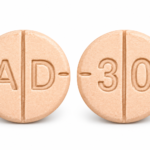
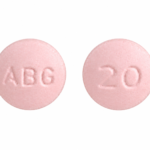
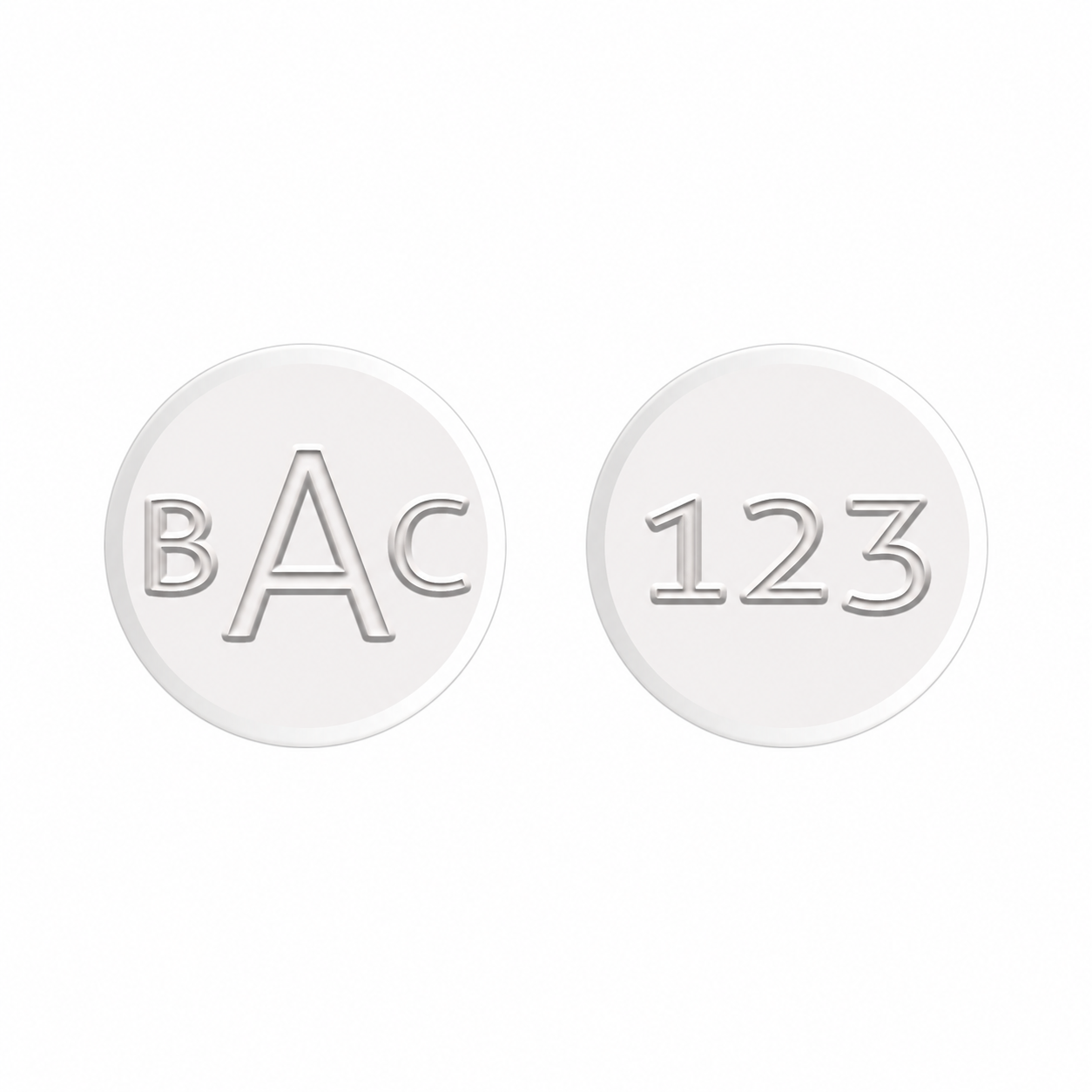
What Is Butalbital 50 MG Used For?
Butalbital 50 MG is a medication ingredient belonging to the barbiturate class of central nervous system (CNS) depressants. It is commonly found in prescription combination medicines used to manage tension headaches. These combination products may contain Butalbital, Acetaminophen, and Caffeine, with some formulations also containing Codeine.
Butalbital works by slowing activity in the central nervous system, helping relax the body and reduce the tension-related symptoms associated with certain headaches. Acetaminophen helps relieve pain, while caffeine supports the overall pain-relieving effects of the combination.
Healthcare professionals may prescribe Butalbital-containing medication when other suitable treatments have not provided sufficient relief. However, it is not generally considered a first-line treatment for routine headaches because of its potential to cause dependence, medication overuse headaches, and other adverse effects.
The strength of 50 MG refers to the amount of Butalbital in a particular formulation. Patients should always check the complete product label because different combination products contain different additional ingredients.
Butalbital should only be taken according to a valid prescription and under appropriate medical supervision.
What Are the Medical Uses of Butalbital 50 MG?
Butalbital-containing medications are primarily associated with the treatment of tension headaches. These headaches can cause pressure, tightness, or a band-like sensation around the forehead, temples, or back of the head.
A healthcare professional may consider a Butalbital combination medication in selected patients when alternative treatments are inadequate.
1. Tension Headache Relief
Tension headaches are among the most common types of headaches. They may develop due to stress, muscle tension, fatigue, poor sleep, or other contributing factors.
Butalbital helps produce a calming effect on the central nervous system. When combined with appropriate pain-relieving ingredients, it may help reduce headache discomfort in selected patients.
2. Muscle-Contraction Headaches
Muscle-contraction headaches are another term associated with tension-type headaches.
These headaches may involve tightness or pressure around the head and neck. Butalbital-containing combination medications have been prescribed for certain cases when other treatment options have not been effective.
3. Combination Headache Treatment
Butalbital is commonly combined with other ingredients to provide different effects.
- Butalbital: Produces a calming effect by depressing central nervous system activity.
- Acetaminophen: Helps reduce pain and fever.
- Caffeine: Acts as a central nervous system stimulant and can enhance the analgesic effects of certain pain-relieving combinations.
- Codeine: Present in some formulations as an opioid pain reliever, but it also introduces additional risks, including respiratory depression and dependence.
Not every Butalbital product contains all these ingredients. Patients should review the exact formulation prescribed by their healthcare professional.
How Does Butalbital Work in the Body?
Butalbital belongs to the barbiturate family of medicines. It affects the central nervous system by enhancing the activity of gamma-aminobutyric acid (GABA), an inhibitory neurotransmitter that helps regulate nerve activity in the brain.
By enhancing GABA-related activity, Butalbital can reduce excessive nervous system activity and produce calming and sedative effects.
Its primary pharmacological actions include:
- Reducing central nervous system activity.
- Producing relaxation and sedation.
- Helping manage tension-related headache symptoms when used in an appropriate combination.
- Reducing nervous system excitability.
The other ingredients in combination formulations contribute their own pain-relieving or stimulant effects.
Because Butalbital affects brain activity, it can also cause drowsiness, dizziness, impaired coordination, and dependence. Its use requires careful medical supervision.
Butalbital 50 MG vs. Other Headache Medications
Different headache medications work through different mechanisms. The appropriate treatment depends on the type of headache, its frequency, severity, and the patient’s medical history.
Butalbital vs. Acetaminophen
Butalbital and Acetaminophen have different pharmacological properties.
Butalbital is a barbiturate that produces a calming effect on the central nervous system. Acetaminophen is a pain reliever that helps reduce pain and fever.
Acetaminophen is commonly used for mild to moderate pain, while Butalbital-containing combinations may be considered for selected tension headache cases.
Butalbital vs. Caffeine
Butalbital is a CNS depressant, whereas caffeine is a CNS stimulant.
Butalbital helps reduce nervous system activity, while caffeine can influence blood vessel activity and enhance the effects of certain analgesics.
These ingredients may be combined in specific prescription headache medications to provide complementary effects.
Comparison Table
| Feature | Butalbital | Acetaminophen | Caffeine |
|---|---|---|---|
| Medication class | Barbiturate | Analgesic | CNS stimulant |
| Main action | CNS depression | Pain relief | Stimulant activity |
| Headache application | Selected tension headaches | General pain relief | Adjunct in combination treatments |
| Dependence risk | Yes | No typical dependence | Possible caffeine dependence |
| Important concern | Sedation and withdrawal | Liver toxicity at excessive doses | Sleep disturbances and palpitations |
The medications are not interchangeable, and treatment decisions should be made by a healthcare professional.
How Long Do Butalbital Effects Last?
The duration of Butalbital’s effects depends on the prescribed formulation, the amount taken, individual metabolism, and other health factors.
Butalbital is generally considered a short-to-intermediate-acting barbiturate. Its sedative effects may continue for several hours, and the medication can remain in the body longer than the noticeable effects.
The duration may vary depending on:
- Individual metabolism.
- Age and general health.
- Liver function.
- Kidney function.
- Other medications being used.
- The complete formulation of the medication.
Patients should not take additional doses simply because they do not feel immediate relief.
It is also important to understand that the duration of symptom relief and the time a medication remains detectable in the body are two different things.
Butalbital 50 MG Dosage and Precautions
Butalbital dosage depends on the complete medication formulation and the patient’s medical condition.
A Butalbital 50 MG combination tablet or capsule may also contain Acetaminophen, Caffeine, or other prescription ingredients. Therefore, the appropriate dosage cannot be determined by considering the Butalbital strength alone.
Healthcare professionals consider several factors before prescribing this medication:
- Headache type and severity.
- Patient’s medical history.
- Other medications being used.
- Previous response to headache treatments.
- Risk of medication dependence.
- Liver and kidney health.
- History of substance misuse.
Patients should follow the instructions on their prescription label and should not increase the dose, frequency, or duration without medical approval.
Important Precautions Before Taking Butalbital
Avoid alcohol: Alcohol can increase the sedative effects of Butalbital and may cause dangerous central nervous system depression.
Discuss breathing problems: Patients with respiratory disorders or reduced breathing capacity should inform their healthcare professional before treatment.
Liver conditions: If the prescribed combination contains Acetaminophen, patients with liver disease require special medical evaluation.
Kidney conditions: Patients with kidney problems should discuss their condition with their doctor before using the medication.
Pregnancy and breastfeeding: Butalbital may pose risks during pregnancy and breastfeeding. Medical advice is essential before using it.
History of substance misuse: Patients with a history of medication dependence, alcohol misuse, or substance use disorders should discuss these concerns with their healthcare provider.
Driving and machinery: Butalbital may cause sleepiness, dizziness, and reduced coordination. Avoid driving or operating machinery until you understand how the medication affects you.
Possible Side Effects of Butalbital 50 MG
Like other barbiturate medications, Butalbital can cause side effects. Their severity may depend on the formulation, amount taken, treatment duration, and individual sensitivity.
Common Side Effects
Some possible side effects include:
- Drowsiness.
- Dizziness.
- Lightheadedness.
- Nausea.
- Vomiting.
- Sedation.
- Confusion.
- Headache.
- Fatigue.
- Reduced coordination.
If the medication contains caffeine, some patients may also experience nervousness, restlessness, difficulty sleeping, or an increased heartbeat.
If the combination contains Acetaminophen, additional precautions are necessary to avoid excessive daily intake and possible liver damage.
Serious Side Effects
Some adverse reactions may require immediate medical attention.
These include:
- Severe confusion.
- Unusual or extreme drowsiness.
- Difficulty breathing.
- Fainting.
- Severe allergic reactions.
- Loss of consciousness.
- Severe skin reactions.
- Signs of liver damage, such as yellowing of the skin or eyes.
Seek emergency medical assistance if someone develops slow or difficult breathing, cannot be awakened, or experiences a seizure.
Can Butalbital Cause Dependence or Addiction?
Yes. Butalbital has the potential to cause physical dependence and medication misuse, particularly when used frequently or for an extended period.
Because it belongs to the barbiturate class, the body may become accustomed to its effects over time.
Regular use can lead to tolerance, meaning the medication may produce less noticeable effects with continued exposure.
Suddenly stopping Butalbital after prolonged or regular use can cause withdrawal symptoms.
Possible Withdrawal Symptoms
Symptoms may include:
- Anxiety and restlessness.
- Insomnia.
- Tremors.
- Sweating.
- Nausea and vomiting.
- Increased heart rate.
- Muscle discomfort.
- Agitation.
- Seizures in severe withdrawal cases.
Patients who have been taking Butalbital regularly should not stop treatment abruptly without medical advice. A healthcare professional can determine an appropriate supervised discontinuation plan.
Drug Interactions With Butalbital 50 MG
Butalbital may interact with several prescription medicines, non-prescription products, and substances.
Combining it with other medications that depress the central nervous system can increase the risk of excessive sedation and dangerous breathing problems.
Important interactions may involve:
1. Alcohol
Alcohol can intensify the sedative effects of Butalbital and increase the risk of serious complications.
2. Benzodiazepines
Medicines such as Alprazolam, Diazepam, and Lorazepam may increase sedation and central nervous system depression when combined with Butalbital.
3. Opioid Pain Medications
Combining Butalbital with opioid medicines may increase the risk of respiratory depression, unconsciousness, and overdose.
4. Sleeping Medications
Certain sleep medicines and sedatives may produce stronger effects when taken with Butalbital.
5. Other Central Nervous System Depressants
Some antihistamines, muscle relaxants, and psychiatric medications may increase drowsiness and impair coordination.
Patients should provide their healthcare professional with a complete list of prescription medicines, supplements, and over-the-counter products before beginning treatment.
Important Safety Guidelines for Butalbital Tablets
Following appropriate safety practices can help reduce medication-related complications.
- Use Butalbital only when prescribed by a qualified healthcare professional.
- Follow the prescribed dosage and treatment schedule.
- Avoid alcohol during treatment.
- Do not combine the medication with sedatives without medical approval.
- Do not drive if you experience drowsiness or dizziness.
- Keep the medication away from children and unauthorized users.
- Never share prescription medication with another person.
- Do not discontinue regular long-term use suddenly without medical supervision.
- Follow the storage and disposal instructions provided by your pharmacist.
If the prescribed formulation contains Acetaminophen, check other medicines carefully to avoid taking multiple products containing the same ingredient.
Frequently Asked Questions About Butalbital 50 MG
1. What is Butalbital 50 MG used for?
Butalbital is a barbiturate ingredient commonly included in prescription combination medications used for tension headaches. Its use depends on the specific formulation and the patient’s medical needs.
2. Is Butalbital a painkiller?
Butalbital is primarily a barbiturate and central nervous system depressant, not a conventional standalone pain reliever. It is commonly combined with analgesic ingredients such as Acetaminophen for headache treatment.
3. Is Butalbital a controlled substance in the USA?
Butalbital-containing combination products such as Butalbital, Acetaminophen, and Caffeine are classified as Schedule III controlled substances in the USA. The legal classification should be checked for the exact formulation.
4. Can Butalbital cause drowsiness?
Yes. Drowsiness and sedation are among the possible side effects because Butalbital reduces central nervous system activity.
5. Can Butalbital be taken with alcohol?
No. Alcohol can increase the sedative effects of Butalbital and raise the risk of dangerous central nervous system depression.
6. Is Butalbital habit-forming?
Yes. Butalbital can cause tolerance and physical dependence, especially with frequent or prolonged use.
7. Can Butalbital be used for migraines?
Butalbital-containing medications are not generally recommended as routine first-line migraine treatments. Frequent use can cause medication-overuse headaches and dependence. Patients with recurring migraines should discuss migraine-specific treatment options with a healthcare professional.
8. How long does Butalbital stay in the body?
The duration varies depending on individual metabolism, dosage, formulation, and health conditions. Its effects may wear off before the medication has been completely eliminated from the body.
9. Can Butalbital cause withdrawal symptoms?
Yes. People who have used Butalbital regularly for an extended period may experience withdrawal symptoms after suddenly stopping treatment. Severe withdrawal can include seizures and requires medical attention.
10. Is Butalbital available without a prescription in the USA?
Butalbital-containing prescription combination medications are not available for ordinary over-the-counter purchase in the USA. Schedule III combination products require an appropriate prescription and must be obtained through lawful channels.
Final Thoughts on Butalbital 50 MG
Butalbital 50 MG is a barbiturate medication ingredient commonly used in combination formulations designed to manage certain tension headache symptoms. Its calming effects on the central nervous system make it different from conventional pain-relieving medications.
Although Butalbital-containing combinations may provide relief for selected patients, they also carry important risks, including drowsiness, impaired coordination, dependence, withdrawal symptoms, and medication-overuse headaches.
Patients should use these medications only under professional medical supervision and follow the prescribed treatment instructions carefully.
Medical Disclaimer: This article is intended for general educational purposes only. It does not replace professional medical advice, diagnosis, or treatment. Always consult a qualified healthcare professional before starting, changing, or discontinuing any medication.