
What Is Gabapentin 100 MG Used For?
Gabapentin 100 MG is a prescription medication commonly used to manage certain types of nerve pain and help control specific seizure disorders. It belongs to a group of medicines known as anticonvulsants or antiepileptic drugs. Healthcare professionals may also prescribe Gabapentin for certain conditions involving abnormal nerve activity.
Gabapentin works by influencing the activity of nerve cells in the central nervous system. It helps regulate the transmission of certain nerve signals, which can reduce abnormal electrical activity associated with seizures and help manage nerve-related pain.
Doctors commonly prescribe Gabapentin for conditions such as postherpetic neuralgia, which is nerve pain that can continue after shingles. It is also approved as an additional treatment for partial-onset seizures in adults and children aged three years and older.
In some cases, healthcare professionals may prescribe Gabapentin for other nerve-related conditions, including diabetic neuropathy and certain chronic pain conditions. These uses depend on individual medical circumstances and may be considered off-label in the United States.
Gabapentin 100 MG is one of the available strengths of this medication. The appropriate dosage depends on the patient’s condition, kidney function, medical history, and response to treatment. It should only be taken according to a healthcare professional’s instructions.
What Are the Medical Uses of Gabapentin 100 MG?
Gabapentin is used for several neurological and nerve-related conditions. Its main purpose is to regulate nerve activity and help manage symptoms associated with certain disorders.
1. Neuropathic Pain Management
Neuropathic pain develops when nerves become damaged or function abnormally. Unlike ordinary muscle pain, nerve pain may produce burning, tingling, shooting sensations, numbness, or electric-shock-like discomfort.
Gabapentin may help manage certain types of neuropathic pain by reducing abnormal nerve signaling.
Healthcare professionals may consider it for conditions such as:
- Peripheral neuropathy.
- Nerve pain associated with diabetes.
- Postherpetic neuralgia.
- Certain nerve-related chronic pain conditions.
2. Postherpetic Neuralgia
Postherpetic neuralgia is a condition that causes persistent nerve pain following a shingles infection.
Even after the shingles rash disappears, damaged nerves may continue sending pain signals. Patients may experience burning, itching, sensitivity to touch, or sharp pain.
Gabapentin is FDA-approved for managing postherpetic neuralgia in adults. It can help reduce nerve-related discomfort and improve daily functioning in some patients.
3. Partial-Onset Seizures
Gabapentin is also approved as an additional treatment for partial-onset seizures in people with epilepsy.
These seizures begin in one area of the brain and may involve unusual movements, sensory changes, or altered awareness.
Gabapentin helps regulate abnormal electrical activity in the nervous system. It is generally used alongside other prescribed antiepileptic medications for this indication.
4. Diabetic Neuropathy
Diabetic neuropathy is nerve damage associated with diabetes, often affecting the feet and legs.
Common symptoms include:
- Burning sensations in the feet.
- Tingling or numbness.
- Sharp or shooting pain.
- Increased sensitivity to touch.
- Discomfort that becomes more noticeable at night.
Although Gabapentin is commonly prescribed off-label for certain neuropathic pain conditions, its use for diabetic neuropathy is not one of the specific FDA-approved indications for standard Gabapentin products.
5. Other Nerve-Related Conditions
Depending on the patient’s medical history, healthcare professionals may consider Gabapentin for selected conditions involving abnormal nerve signaling.
Some examples include certain chronic nerve pain conditions and restless legs syndrome. However, these are not all FDA-approved uses of standard Gabapentin 100 MG capsules.
How Does Gabapentin Work in the Body?
Gabapentin affects the central nervous system and helps regulate the transmission of nerve signals.
Although its chemical structure resembles gamma-aminobutyric acid (GABA), Gabapentin does not directly activate GABA receptors.
Instead, it binds to the alpha-2-delta subunit of voltage-gated calcium channels in the nervous system. This action helps reduce the release of certain neurotransmitters involved in nerve signaling.
Its mechanism of action helps explain its medical applications:
Nerve pain management: Gabapentin can reduce abnormal nerve signaling associated with certain neuropathic pain conditions.
Seizure management: It helps regulate abnormal electrical activity in the brain when used as an additional seizure treatment.
Nervous system activity: It influences specific pathways involved in communication between nerve cells.
Gabapentin does not work like traditional opioid painkillers and is not classified as an opioid.
Gabapentin 100 MG vs. Other Nerve Pain Medications
Different medications are used to manage neuropathic pain. Their effectiveness depends on the underlying condition, symptoms, medical history, and individual response.
Gabapentin is one option among several treatments that healthcare professionals may consider.
Gabapentin vs. Pregabalin
Gabapentin and Pregabalin belong to the gabapentinoid class of medications. Both bind to alpha-2-delta subunits of voltage-gated calcium channels and are used for certain nerve-related conditions.
However, they have differences in absorption, dosing, and approved medical applications.
Gabapentin vs. Duloxetine
Gabapentin and Duloxetine work through different mechanisms.
Gabapentin influences calcium-channel-related nerve signaling, while Duloxetine is a serotonin-norepinephrine reuptake inhibitor (SNRI).
Duloxetine may be prescribed for certain neuropathic pain conditions, including diabetic peripheral neuropathic pain.
Key Differences Between Gabapentin and Other Medications
| Feature | Gabapentin | Pregabalin | Duloxetine |
|---|---|---|---|
| Medication class | Anticonvulsant | Gabapentinoid | SNRI antidepressant |
| Main action | Modulates calcium-channel activity | Modulates calcium-channel activity | Inhibits serotonin and norepinephrine reuptake |
| Nerve pain treatment | Yes | Yes | Yes |
| Seizure treatment | Additional therapy for partial-onset seizures | Additional therapy for partial-onset seizures | Not an approved seizure treatment |
| Common side effects | Dizziness and drowsiness | Dizziness and drowsiness | Nausea and dry mouth |
These medications are not interchangeable. A healthcare professional should determine which treatment is appropriate for an individual patient.
How Long Does Gabapentin 100 MG Take to Work?
The time required for Gabapentin to produce noticeable benefits depends on the condition being treated, the prescribed dosage, and the patient’s individual response.
Some patients may notice changes in their symptoms within a few days, while others may require several weeks of treatment before experiencing meaningful improvement.
Gabapentin for Nerve Pain
For neuropathic pain, Gabapentin may require gradual dose adjustment under medical supervision. Pain relief may develop progressively as treatment continues.
Gabapentin for Seizure Management
When prescribed for partial-onset seizures, Gabapentin is generally used as part of an ongoing treatment plan. Patients should follow their prescribed schedule and should not change or discontinue treatment without medical advice.
How Long Does Gabapentin Stay in the Body?
In adults with normal kidney function, Gabapentin has an elimination half-life of approximately 5–7 hours.
However, the time required to eliminate the medication can increase significantly in people with reduced kidney function.
The duration of symptom relief and the time required for the body to eliminate Gabapentin are not the same.
Gabapentin 100 MG Dosage and Administration
Gabapentin dosage depends on the condition being treated and the patient’s individual medical requirements.
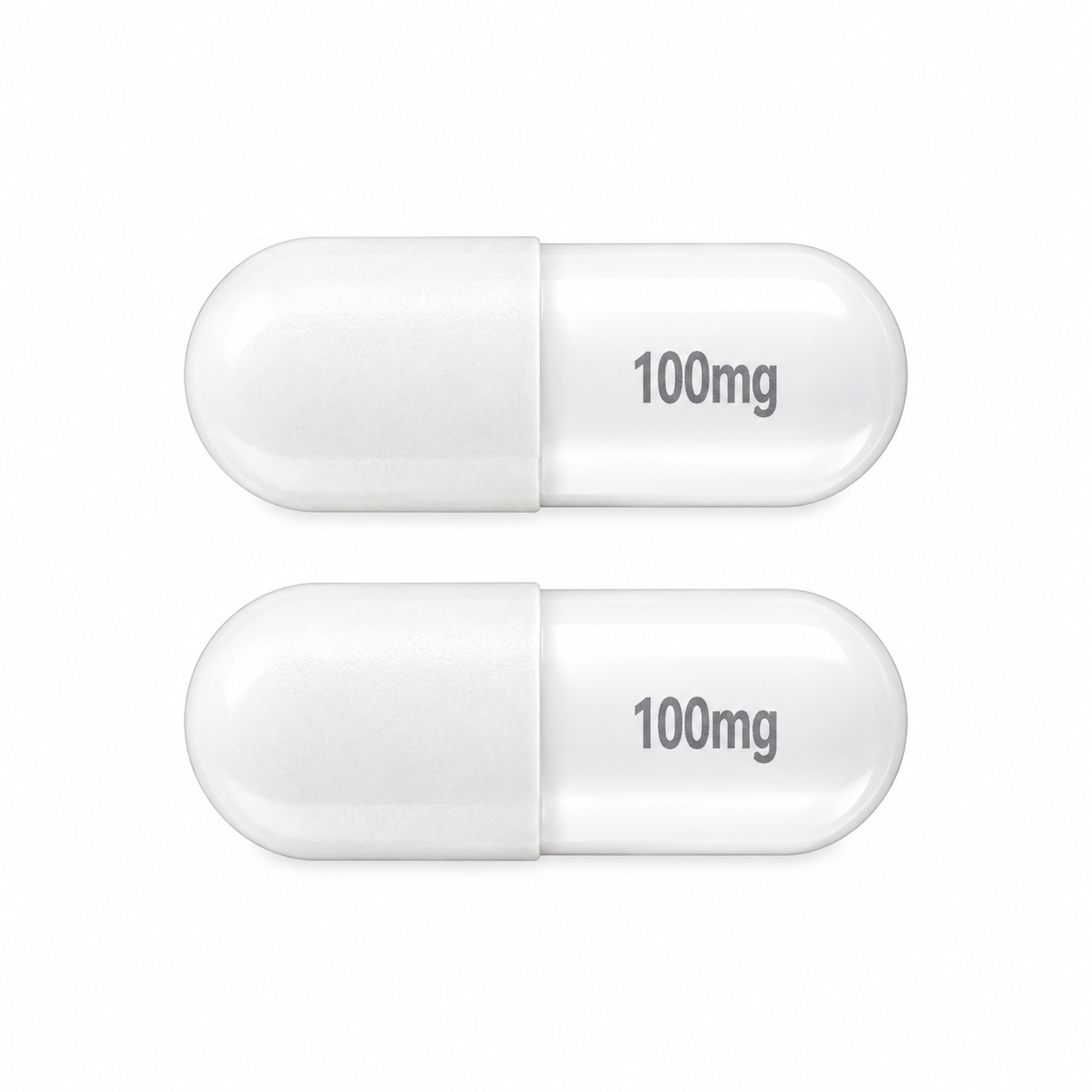
The 100 MG strength is available in capsule form and may be used as part of an individualized treatment plan.
Healthcare professionals consider several factors before determining the appropriate dose:
- The type and severity of the condition.
- Patient age.
- Kidney function.
- Other medications being taken.
- Previous response to treatment.
- Potential side effects.
- Overall medical history.
Gabapentin dosage may be adjusted gradually to help patients tolerate treatment and achieve an appropriate therapeutic response.
Important Dosage Precautions
Follow the prescription: Take Gabapentin according to the instructions provided by your healthcare professional.
Do not increase the dose independently: Taking more medication than prescribed may increase the risk of adverse reactions.
Kidney function: Gabapentin is eliminated primarily through the kidneys. Patients with impaired kidney function may require dosage adjustments.
Missed doses: Follow your prescription instructions or ask a pharmacist what to do if you miss a dose. Do not double the next dose to compensate.
Do not stop suddenly: Abrupt discontinuation can increase the risk of seizures in susceptible patients and may cause withdrawal symptoms.
Gabapentin capsules can generally be taken with or without food. Follow the instructions provided for your specific formulation.
Important Precautions Before Taking Gabapentin
Although Gabapentin is prescribed for several neurological conditions, certain precautions are necessary before beginning treatment.
1. Kidney Problems
People with reduced kidney function may eliminate Gabapentin more slowly. This can cause the medication to accumulate in the body and increase the risk of side effects.
A healthcare professional may adjust the dosage based on kidney function.
2. Breathing Problems
Gabapentin may cause serious breathing difficulties in certain patients, especially when combined with opioid medications or other central nervous system depressants.
Patients with existing respiratory conditions should discuss their medical history with their doctor.
3. Pregnancy and Breastfeeding
Patients who are pregnant, planning pregnancy, or breastfeeding should discuss the potential benefits and risks of Gabapentin with their healthcare professional.
Treatment decisions should be based on individual medical needs.
4. History of Depression or Mood Changes
Some patients taking antiepileptic medications may experience changes in mood or behavior.
Patients should report new or worsening depression, unusual behavioral changes, or thoughts of self-harm to a healthcare professional immediately.
5. Older Adults
Older adults may be more sensitive to dizziness, drowsiness, and balance-related problems.
Additional monitoring may be necessary to reduce the risk of falls and other complications.
Possible Side Effects of Gabapentin 100 MG
Like other prescription medications, Gabapentin can cause side effects. Their severity may vary depending on the patient’s medical condition, dosage, and individual sensitivity.
Common Side Effects
Some commonly reported side effects include:
- Dizziness.
- Drowsiness.
- Fatigue.
- Swelling in the hands, feet, or legs.
- Difficulty with coordination.
- Blurred vision.
- Nausea.
- Dry mouth.
- Headache.
- Unusual eye movements.
Some side effects may become less noticeable as the body adjusts to treatment. However, persistent or worsening symptoms should be discussed with a healthcare professional.
Serious Side Effects
Although less common, Gabapentin may cause serious adverse reactions that require immediate medical attention.
These include:
- Difficulty breathing.
- Severe allergic reactions.
- Swelling of the face, lips, or throat.
- Severe skin reactions.
- Unusual mood or behavioral changes.
- Suicidal thoughts or behavior.
- Extreme confusion or sedation.
Emergency warning: Seek immediate medical assistance if someone experiences severe breathing difficulties, swelling of the throat, or an inability to wake up.
Drug Interactions With Gabapentin 100 MG
Gabapentin may interact with certain prescription medicines and other substances.
These interactions can change how the medication affects the body or increase the risk of side effects.
1. Opioid Medications
Combining Gabapentin with opioid pain medications may increase the risk of sedation and respiratory depression.
Examples include morphine and other prescription opioids.
2. Antacids
Antacids containing aluminum and magnesium can reduce the absorption of immediate-release Gabapentin.
Healthcare professionals generally recommend taking Gabapentin at least two hours after these antacids.
3. Sleeping Medications
Certain sleeping medicines may increase drowsiness and sedation when used with Gabapentin.
4. Alcohol
Alcohol may increase dizziness, sleepiness, and impaired coordination.
Patients should discuss alcohol consumption with their healthcare professional during treatment.
5. Other Central Nervous System Depressants
Certain sedatives, tranquilizers, and medications that affect the central nervous system may increase the risk of serious adverse reactions.
Always provide your healthcare professional with a complete list of prescription medications, over-the-counter products, and supplements you use.
Can Gabapentin Cause Dependence or Withdrawal Symptoms?
Gabapentin is not an opioid, but it can cause physical dependence in some patients, particularly with prolonged use.
Some people may experience withdrawal symptoms after abruptly stopping regular treatment.
Possible withdrawal symptoms include:
- Anxiety.
- Insomnia.
- Nausea.
- Sweating.
- Headache.
- Restlessness.
- Increased pain.
- Tremors.
- Changes in mood.
Abrupt discontinuation may also increase seizure risk, especially in patients taking Gabapentin for epilepsy.
Patients should not stop taking Gabapentin suddenly without consulting their healthcare professional. A gradual reduction may be necessary depending on the patient’s condition and treatment history.
Important Safety Guidelines for Gabapentin Capsules
Following appropriate medication safety practices can help reduce the risk of complications.
- Take Gabapentin only as prescribed.
- Follow the recommended treatment schedule.
- Avoid changing the dosage without medical approval.
- Discuss alcohol consumption with your healthcare professional.
- Avoid driving if you experience dizziness or drowsiness.
- Inform your doctor about existing kidney or respiratory problems.
- Discuss all other medications before starting treatment.
- Keep the medication away from children.
- Do not share prescription medication with other people.
- Consult your doctor before discontinuing regular treatment.
Patients should also follow the storage instructions printed on the medication packaging.
Frequently Asked Questions About Gabapentin 100 MG
1. What is Gabapentin 100 MG used for?
Gabapentin 100 MG is a prescription medication strength used in the management of certain nerve pain conditions and as an additional treatment for partial-onset seizures. The exact use depends on the patient’s medical requirements.
2. Is Gabapentin a painkiller?
Gabapentin is not a conventional painkiller or opioid. It is an anticonvulsant medication that can help manage certain types of neuropathic pain by influencing nerve signaling.
3. Does Gabapentin 100 MG help with nerve pain?
Gabapentin may help reduce certain types of nerve pain, including pain associated with postherpetic neuralgia. Healthcare professionals may also prescribe it off-label for other neuropathic pain conditions.
4. How long does Gabapentin take to work?
Some patients may notice improvement within a few days, while others may require several weeks. The response depends on the condition, dosage, and individual medical factors.
5. Can Gabapentin cause drowsiness?
Yes. Drowsiness and dizziness are among the commonly reported side effects. Patients should avoid driving until they understand how the medication affects them.
6. Is Gabapentin addictive?
Gabapentin is not an opioid, but misuse and physical dependence can occur. Patients should follow their prescription and avoid taking higher doses than recommended.
7. Can Gabapentin be taken with alcohol?
Alcohol may increase dizziness, drowsiness, and impaired coordination. It is important to discuss alcohol use with a healthcare professional.
8. Can Gabapentin be stopped suddenly?
No. Abrupt discontinuation may cause withdrawal symptoms and increase seizure risk in susceptible patients. A healthcare professional should guide the discontinuation process.
9. Does Gabapentin affect kidney function?
Gabapentin is primarily eliminated through the kidneys. Patients with reduced kidney function may require dosage adjustments, but this does not mean the medication directly damages the kidneys in every patient.
10. Is Gabapentin available in different strengths?
Yes. Gabapentin is available in different strengths and formulations, including 100 MG, 300 MG, and 400 MG capsules, as well as tablets and oral solutions.
The appropriate formulation depends on the patient’s treatment requirements.
Final Thoughts on Gabapentin 100 MG
Gabapentin 100 MG is a prescription medication used to manage certain neurological conditions, including postherpetic neuralgia and partial-onset seizures. It may also be prescribed for selected nerve pain conditions outside its FDA-approved indications.
By influencing specific nerve-signaling pathways, Gabapentin can help reduce neuropathic pain symptoms and support seizure management when used appropriately.
However, patients should understand the potential risks, including dizziness, drowsiness, dependence, withdrawal symptoms, and respiratory depression when combined with certain medications.
For safe and effective treatment, Gabapentin should always be used according to a healthcare professional’s instructions. Patients should report unexpected side effects and seek medical advice before making any changes to their treatment.
Medical Disclaimer: This article is intended for general educational purposes only. It does not replace professional medical advice, diagnosis, or treatment. Always consult a qualified healthcare professional before starting, changing, or discontinuing any medication.