
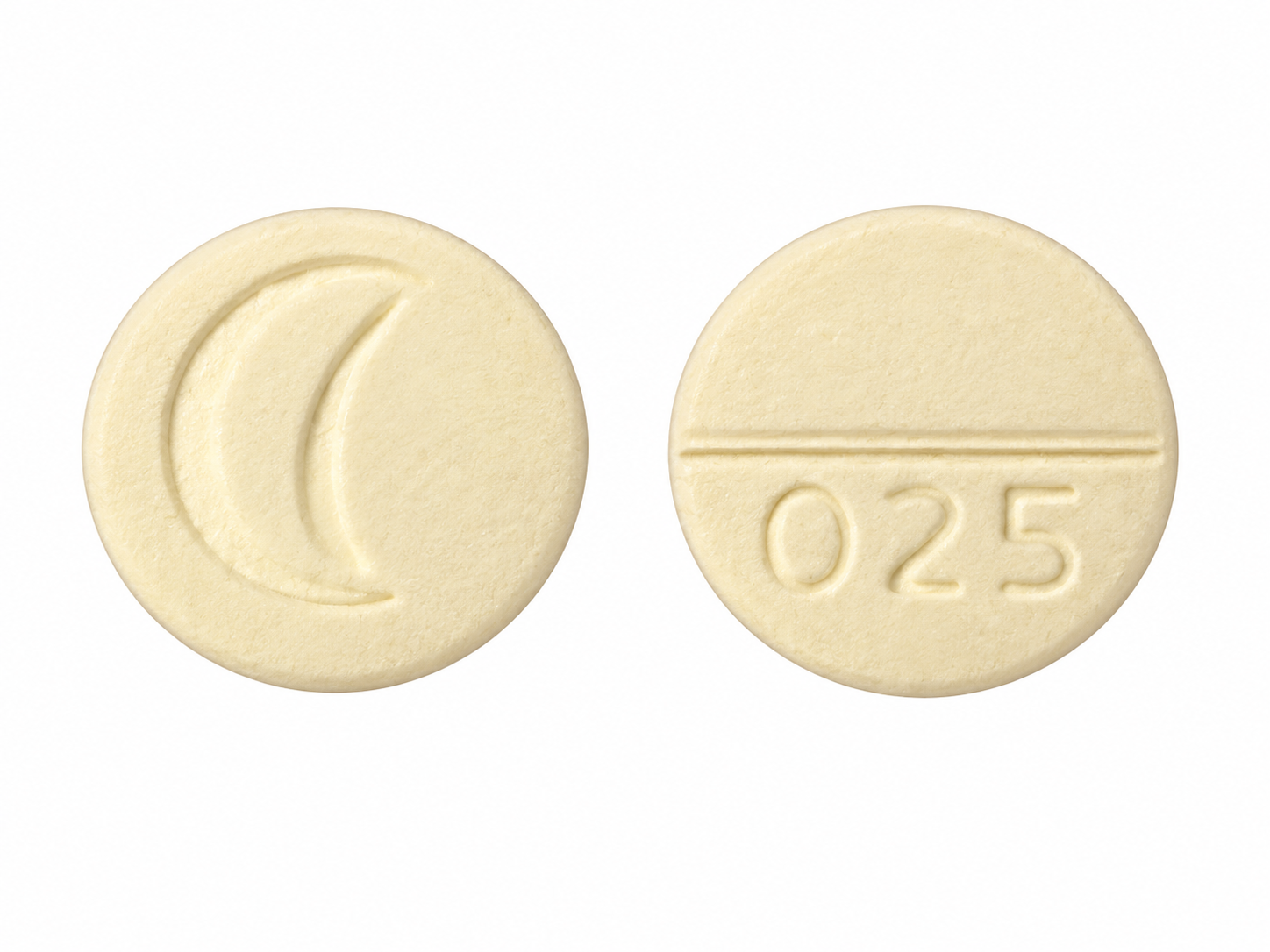
What Is Alprazolam 0.25 mg?
Alprazolam 0.25 mg is a prescription medication belonging to a group of medicines called benzodiazepines. It is commonly prescribed for the short-term management of certain anxiety symptoms and the treatment of panic disorder in adults.
Alprazolam works by increasing the activity of gamma-aminobutyric acid (GABA), a natural chemical messenger in the brain that helps regulate nerve activity. This action produces calming effects and can help reduce excessive nervous system activity.
Alprazolam 0.25 mg is a lower-strength tablet compared with several other available strengths. However, even at this strength, it can cause drowsiness, impaired coordination, physical dependence, and withdrawal symptoms.
In the United States, alprazolam is classified as a Schedule IV controlled substance because it has a potential for misuse and dependence. It should only be used under the supervision of a qualified healthcare professional.
What Is Alprazolam 0.25 mg Used For?
Alprazolam is prescribed for specific anxiety-related conditions. Its approved uses may vary depending on the country and product labeling.
1. Generalized Anxiety Disorder (GAD)
Generalized anxiety disorder involves persistent and excessive worry about everyday situations. It may affect concentration, sleep, daily activities, and overall well-being.
Alprazolam may be prescribed for the acute treatment of generalized anxiety disorder in adults. It can help reduce symptoms such as:
- Excessive nervousness
- Restlessness
- Persistent worry
- Muscle tension
- Irritability
- Difficulty relaxing
Treatment should be medically supervised, and longer-term management may involve psychotherapy or other appropriate treatments.
2. Panic Disorder
Panic disorder involves repeated episodes of intense fear or discomfort, sometimes accompanied by physical symptoms.
Alprazolam may be prescribed for panic disorder, with or without agoraphobia, in adults.
Symptoms of panic attacks can include:
- Rapid heartbeat
- Sweating
- Trembling
- Shortness of breath
- Chest discomfort
- Dizziness
- A feeling of losing control
- Sudden intense fear
Alprazolam may help manage symptoms as part of an individualized treatment plan.
How Does Alprazolam 0.25 mg Work?
Alprazolam affects the central nervous system by enhancing the activity of GABA, an inhibitory neurotransmitter.
GABA helps reduce excessive electrical activity in the brain and promotes a calming effect. Alprazolam enhances the effect of GABA at specific receptors, which can help:
- Reduce excessive anxiety
- Promote relaxation
- Decrease nervous system activity
- Reduce panic-related symptoms
- Produce sedative effects
Because alprazolam affects brain activity, it can also cause sleepiness, dizziness, impaired coordination, and reduced alertness.
Alprazolam 0.25 mg Dosage and Administration
The appropriate dosage depends on the patient’s diagnosis, age, medical history, response to treatment, and other medicines being used.
Alprazolam 0.25 mg is one of several available tablet strengths. The prescribed dose and schedule should always be determined by a healthcare professional.
Important precautions include:
- Take alprazolam only as prescribed.
- Follow the exact instructions on the prescription label.
- Do not increase the dose independently.
- Do not take it more frequently or for longer than prescribed.
- Avoid combining it with alcohol or other sedating substances.
- Do not share the medicine with another person.
- Consult a healthcare professional before changing or stopping regular treatment.
Important: Regular alprazolam use can cause physical dependence. Suddenly stopping treatment or reducing the dose too quickly can cause serious withdrawal symptoms, including seizures. A healthcare professional should provide an individualized gradual reduction plan when discontinuation is appropriate.
Possible Side Effects of Alprazolam 0.25 mg
Like other benzodiazepines, alprazolam can cause side effects. Their severity varies depending on the individual, treatment duration, dosage, and other medicines being taken.
Common Side Effects
Some commonly reported side effects include:
- Drowsiness
- Dizziness
- Lightheadedness
- Tiredness
- Memory difficulties
- Reduced coordination
- Difficulty concentrating
- Slurred speech
- Changes in appetite
- Dry mouth
Patients should inform their healthcare professional if these effects persist or interfere with daily activities.
Serious Side Effects
Although less common, alprazolam can cause serious adverse reactions.
Respiratory depression: Alprazolam can slow breathing, particularly when combined with opioids, alcohol, or other medicines that depress the central nervous system.
Severe sedation: Some patients may experience extreme sleepiness, confusion, or difficulty remaining awake.
Memory impairment: Benzodiazepines may affect short-term memory and the ability to remember events occurring after taking the medicine.
Paradoxical reactions: Some individuals may experience unusual agitation, irritability, aggression, or increased restlessness instead of calming effects.
Dependence and withdrawal: Continued use can cause physical dependence. Abrupt discontinuation may lead to serious withdrawal symptoms.
Seek emergency medical attention if someone has slow or difficult breathing, cannot be awakened, collapses, or experiences a seizure.
Important Warnings and Precautions
Alprazolam requires careful medical supervision because it affects brain activity and can cause dependence.
1. Dependence and Addiction
Alprazolam can cause physical dependence, misuse, and addiction. The risk generally increases with longer treatment duration and higher daily doses.
Patients should follow the prescribed treatment plan and avoid taking more medicine than directed.
2. Withdrawal Symptoms
Stopping alprazolam suddenly after regular use can cause withdrawal symptoms.
Possible symptoms include:
- Increased anxiety
- Restlessness
- Insomnia
- Sweating
- Tremors
- Headaches
- Muscle pain
- Irritability
- Nausea
- Seizures in severe cases
A gradual, medically supervised reduction is important when discontinuing treatment.
3. Breathing Problems
Alprazolam may cause serious breathing difficulties, especially when combined with opioid pain medicines or other central nervous system depressants.
Patients with respiratory conditions should discuss their medical history with their healthcare professional before treatment.
4. Alcohol Consumption
Alcohol should be avoided while taking alprazolam. Combining the two can increase sedation, impair coordination, and raise the risk of dangerous breathing problems and unconsciousness.
5. Pregnancy and Breastfeeding
Alprazolam may present risks during pregnancy, including possible neonatal sedation or withdrawal symptoms following exposure.
The medicine can also pass into breast milk. Breastfeeding is not recommended during alprazolam treatment under current US prescribing information.
Pregnant or breastfeeding patients should discuss treatment options with a qualified healthcare professional.
6. Older Adults
Older adults may be more sensitive to alprazolam’s effects. Drowsiness, confusion, impaired coordination, and falls may be more likely.
Healthcare professionals may need to consider individual risks and monitor patients carefully.
7. Liver and Kidney Conditions
Patients with liver or kidney problems should inform their healthcare professional before starting treatment. These conditions may affect how medicines are processed or eliminated from the body.
Drug Interactions With Alprazolam 0.25 mg
Alprazolam can interact with prescription medicines, over-the-counter products, and other substances. Certain combinations may increase sedation, breathing difficulties, or other adverse effects.
| Medicine or substance | Possible interaction |
|---|---|
| Alcohol | Increases sedation and respiratory depression |
| Opioid pain medicines | May cause profound sedation, coma, and breathing difficulties |
| Sleeping medicines | Can increase central nervous system depression |
| Other benzodiazepines | May increase drowsiness and sedation |
| Certain antidepressants | May increase alprazolam-related adverse effects |
| Some antifungal medicines | Can increase alprazolam levels in the body |
| Certain antibiotics | May affect alprazolam metabolism |
| Some seizure medicines | May change alprazolam’s effects or blood levels |
Strong CYP3A inhibitors can significantly increase alprazolam exposure. Certain combinations are contraindicated under US prescribing information.
Patients should tell their doctor or pharmacist about all medicines, vitamins, and herbal supplements they use.
What Should You Avoid While Taking Alprazolam?
To reduce the risk of adverse effects, patients should follow their healthcare professional’s instructions.
- Avoid alcohol during treatment.
- Do not combine alprazolam with opioid medicines unless specifically directed and closely monitored by a healthcare professional.
- Avoid driving or operating machinery if you feel sleepy or dizzy.
- Do not increase the prescribed dose independently.
- Do not share the medication with anyone.
- Avoid stopping regular treatment suddenly.
- Keep the medicine in a secure location.
Storage and Disposal
Store alprazolam according to the instructions on its original packaging.
General storage precautions include:
- Keep the medicine in its original container when appropriate.
- Store it at room temperature as directed on the label.
- Protect it from excessive heat and moisture.
- Keep it away from children and pets.
- Store it securely to prevent unauthorized use.
- Dispose of unused medicine through an authorized medicine take-back program or according to local pharmacy guidance.
Frequently Asked Questions About Alprazolam 0.25 mg
1. What is Alprazolam 0.25 mg used for?
Alprazolam is prescribed for the acute treatment of generalized anxiety disorder and the treatment of panic disorder in adults. Approved indications may vary by country and product.
2. Is Alprazolam 0.25 mg a benzodiazepine?
Yes. Alprazolam belongs to the benzodiazepine class of medicines. It works by enhancing GABA activity in the central nervous system.
3. Can Alprazolam 0.25 mg cause drowsiness?
Yes. Drowsiness, dizziness, tiredness, and reduced coordination are possible side effects. Patients should avoid driving if their alertness is affected.
4. Can Alprazolam 0.25 mg cause dependence?
Yes. Regular use can cause physical dependence and may lead to misuse or addiction. The risk increases with longer treatment duration and higher doses.
5. Can Alprazolam be taken with alcohol?
No. Alcohol can increase the sedative effects of alprazolam and raise the risk of breathing difficulties, unconsciousness, and other serious complications.
6. Can Alprazolam 0.25 mg be stopped suddenly?
No. Patients who have been taking alprazolam regularly should not stop it suddenly without medical guidance. Abrupt discontinuation can cause serious withdrawal symptoms, including seizures.
7. Does Alprazolam help with panic attacks?
Alprazolam is approved in the United States for treating panic disorder in adults. A healthcare professional should determine whether it is appropriate for an individual patient.
8. Can Alprazolam interact with pain medicines?
Yes. Combining alprazolam with opioid pain medicines can cause profound sedation and respiratory depression. This combination requires careful medical assessment and monitoring.
9. What are the signs of an Alprazolam overdose?
Possible signs include extreme drowsiness, confusion, impaired coordination, slow breathing, unconsciousness, and reduced responsiveness. A suspected overdose requires immediate emergency medical attention.
Conclusion
Alprazolam 0.25 mg is a prescription benzodiazepine used for the acute treatment of generalized anxiety disorder and the management of panic disorder in adults. It works by enhancing GABA activity in the brain, helping reduce excessive nervous system activity.
Although it can be beneficial when appropriately prescribed, alprazolam carries important risks, including drowsiness, impaired coordination, dependence, addiction, and potentially serious withdrawal symptoms. Combining it with alcohol or opioid medicines can cause life-threatening breathing problems.
Patients should follow their prescription carefully, attend recommended medical checkups, and consult a healthcare professional before changing or discontinuing treatment.
Medical Disclaimer
This page is intended for general educational and informational purposes only. It does not replace professional medical advice, diagnosis, or treatment. Alprazolam is a controlled prescription medicine in the United States. Never start, stop, change, or share this medicine without consulting a qualified healthcare professional. Seek emergency medical assistance if a suspected overdose, seizure, or serious breathing problem occurs.