
What Is Tramadol 50 mg?
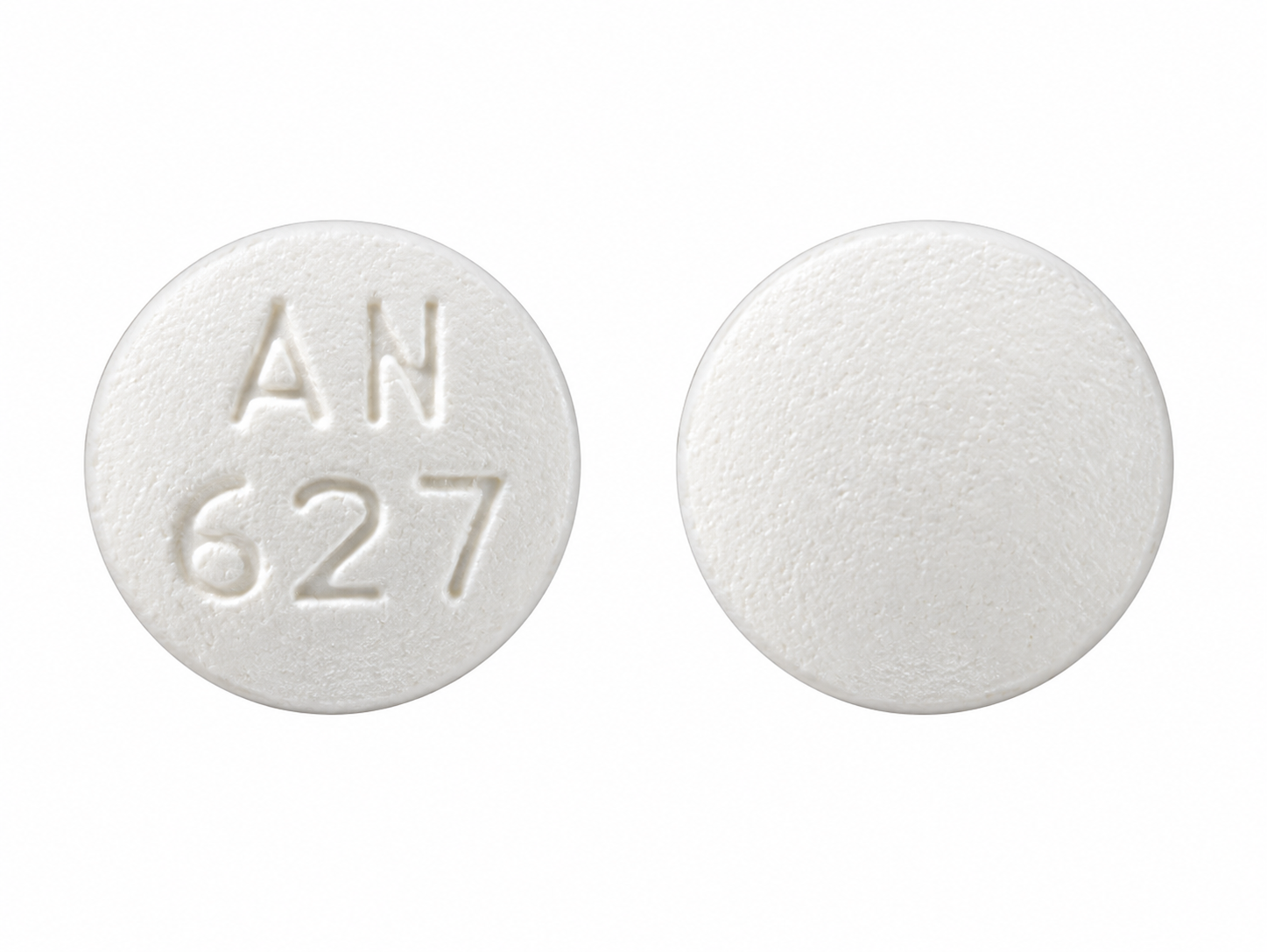
Tramadol 50 mg is a prescription pain-relief medicine containing 50 mg of tramadol hydrochloride. It belongs to a group of medicines known as opioid analgesics. Healthcare professionals may prescribe it to manage certain types of moderate to moderately severe pain when other treatment options are not sufficient or appropriate.
Tramadol works on the central nervous system by changing how the brain and spinal cord respond to pain signals. It also affects certain chemical messengers involved in pain regulation.
Although tramadol is sometimes described as a less potent opioid than some other prescription pain medicines, it can still cause dependence, addiction, breathing difficulties, and overdose. It should only be used under medical supervision.
In the United States, tramadol is classified as a Schedule IV controlled substance.
What Is Tramadol 50 mg Used For?
Tramadol 50 mg may be prescribed for certain types of pain that require prescription-strength treatment. Its suitability depends on the patient’s medical condition, pain severity, previous treatment, and overall health.
Healthcare professionals may consider tramadol for:
- Moderate to moderately severe pain
- Certain types of acute pain
- Pain following some surgical or medical procedures
- Pain associated with injuries
- Selected cases of persistent pain requiring opioid treatment
Tramadol is not appropriate for every type of pain. A healthcare professional should assess the cause of pain and consider non-opioid treatments before prescribing an opioid medicine.
How Does Tramadol 50 mg Work?
Tramadol has two main actions in the body.
1. Opioid receptor activity: Tramadol and its active metabolite interact with opioid receptors in the central nervous system. This changes how pain signals are processed and reduces the perception of pain.
2. Serotonin and norepinephrine activity: Tramadol also affects the reuptake of serotonin and norepinephrine, two chemical messengers involved in the body’s pain-control pathways.
These combined actions help explain its pain-relieving effects. They also contribute to important safety risks, including seizures and serotonin syndrome.
Tramadol 50 mg Dosage and Administration
The appropriate dosage depends on the patient’s age, medical history, kidney and liver function, pain condition, and response to treatment.
For adults who are prescribed immediate-release tramadol tablets, official prescribing information describes an initial dose that may be adjusted according to individual needs. The exact schedule must be determined by the prescribing healthcare professional.
Important dosage precautions include:
- Take tramadol only as prescribed.
- Do not take additional tablets if pain relief is insufficient without consulting the prescriber.
- Do not combine it with other tramadol-containing medicines unless specifically directed.
- Never take someone else’s prescription.
- Do not double a dose to compensate for a missed dose.
- Do not suddenly discontinue regular long-term treatment without medical guidance.
Important: Tramadol is available in immediate-release and extended-release formulations. Their dosing schedules are different. A 50 mg immediate-release tablet should not be treated as equivalent to an extended-release product.
Extended-release tablets and capsules must be swallowed according to their product instructions. Crushing, chewing, or breaking them can release too much medicine at once and cause a potentially fatal overdose.
Possible Side Effects of Tramadol 50 mg
Like other prescription medicines, tramadol can cause side effects. Their severity and likelihood vary between individuals.
Common Side Effects
Some commonly reported side effects include:
- Nausea
- Vomiting
- Constipation
- Dizziness
- Drowsiness
- Headache
- Dry mouth
- Sweating
- Tiredness
- Itching
Patients should contact their healthcare professional if side effects become persistent, severe, or interfere with daily activities.
Serious Side Effects
Tramadol can also cause serious adverse reactions, including:
Respiratory depression: Tramadol can slow breathing. Severe cases may cause unconsciousness, coma, or death.
Seizures: Seizures can occur even when tramadol is taken within the recommended dosage range. The risk may increase with certain medicines or excessive doses.
Serotonin syndrome: This potentially life-threatening condition may occur when tramadol is combined with other medicines that increase serotonin activity.
Severe allergic reactions: Symptoms may include swelling of the face, lips, tongue, or throat, difficulty breathing, and severe skin reactions.
Dependence and withdrawal: Repeated use can cause physical dependence. Stopping suddenly after regular use may result in withdrawal symptoms.
Seek emergency medical attention if someone experiences slow or difficult breathing, cannot be awakened, has a seizure, or develops signs of a severe allergic reaction or serotonin syndrome.
Important Warnings and Precautions
Tramadol requires careful monitoring because it affects the central nervous system and carries opioid-related risks.
1. Addiction, Misuse, and Dependence
Tramadol can cause addiction and physical dependence, even when prescribed. The risk may be higher in people with a history of substance misuse or certain mental health conditions.
Use the medicine only as directed and never share it with another person.
2. Breathing Difficulties
Tramadol can cause serious or life-threatening respiratory depression. The risk is particularly important during the first 24–72 hours of treatment and after a dose increase.
Patients with respiratory conditions should discuss their medical history with their healthcare professional before starting treatment.
3. Seizure Risk
Tramadol may increase the risk of seizures. Patients with a history of seizures or those taking certain antidepressants, antipsychotics, or other medicines that lower the seizure threshold may need additional assessment.
4. Serotonin Syndrome
Combining tramadol with certain antidepressants or other serotonin-affecting medicines can increase the risk of serotonin syndrome.
Possible symptoms include agitation, confusion, sweating, fever, rapid heartbeat, muscle stiffness, tremors, and loss of coordination. Severe symptoms require emergency medical attention.
5. Pregnancy and Breastfeeding
Regular tramadol use during pregnancy may cause neonatal opioid withdrawal syndrome in newborn babies. Tramadol is not recommended during breastfeeding because of the potential for serious adverse effects in infants.
Pregnant or breastfeeding patients should discuss treatment options with a qualified healthcare professional.
6. Kidney and Liver Conditions
People with kidney or liver problems may process tramadol differently. The medicine may remain in the body longer, increasing the risk of side effects. A healthcare professional should determine whether treatment or dosage adjustments are appropriate.
7. Older Adults
Older adults may be more sensitive to the effects of tramadol, particularly dizziness, confusion, sedation, and breathing difficulties. Treatment requires careful assessment and monitoring.
Drug Interactions With Tramadol 50 mg
Tramadol can interact with prescription medicines, non-prescription products, and other substances. Some interactions can increase the risk of serious complications.
Important examples include:
| Medicine or substance | Possible interaction |
|---|---|
| Alcohol | Increases sedation and respiratory depression risk |
| Benzodiazepines | Can cause severe sedation and breathing difficulties |
| Other opioids | Increases overdose and respiratory depression risk |
| SSRIs and SNRIs | May increase serotonin syndrome and seizure risk |
| Tricyclic antidepressants | May increase seizure and serotonin-related risks |
| Sleeping medicines | May increase central nervous system depression |
| Certain MAO inhibitors | Can cause serious interactions; concurrent use is contraindicated |
Patients should inform their doctor or pharmacist about all medicines, vitamins, and herbal supplements they use. Do not start or stop interacting medicines without professional guidance.
What Should You Avoid While Taking Tramadol?
To reduce the risk of complications, patients should follow their healthcare professional’s instructions.
- Avoid alcohol during treatment.
- Do not combine tramadol with sedatives or other opioids unless specifically directed by a healthcare professional.
- Avoid driving or operating machinery if you feel sleepy, dizzy, or less alert.
- Do not increase the prescribed dose independently.
- Do not share the medicine with anyone.
- Keep the medicine away from children and other people who could accidentally take it.
Storage and Disposal
Store tramadol according to the instructions on its original packaging.
General storage precautions include:
- Keep the medicine in its original container when appropriate.
- Store it at room temperature as directed on the label.
- Protect it from excessive heat and moisture.
- Keep it in a secure place away from children and pets.
- Dispose of unused medicine through an authorized medicine take-back program or according to local pharmacy guidance.
Never give unused tramadol to another person.
Frequently Asked Questions About Tramadol 50 mg
1. What is Tramadol 50 mg used for?
Tramadol 50 mg is a prescription opioid pain medicine used for certain types of moderate to moderately severe pain when other treatment options are inadequate or unsuitable.
2. Is Tramadol 50 mg an opioid?
Yes. Tramadol is a centrally acting opioid analgesic. It also affects serotonin and norepinephrine activity in the nervous system.
3. Can Tramadol 50 mg cause drowsiness?
Yes. Drowsiness, dizziness, and tiredness are possible side effects. Patients should avoid driving or operating machinery until they know how the medicine affects them.
4. Can Tramadol 50 mg cause addiction?
Yes. Tramadol can cause physical dependence, misuse, and addiction. The risk depends on several factors, including treatment duration, individual health history, and how the medicine is used.
5. Can Tramadol 50 mg be taken with alcohol?
No. Alcohol can increase the sedative effects of tramadol and raise the risk of dangerous breathing problems, unconsciousness, and overdose.
6. What happens if someone misses a dose?
If a dose is missed, patients should follow the instructions provided by their healthcare professional or product leaflet. A double dose should never be taken to make up for a missed dose.
7. Can Tramadol 50 mg cause withdrawal symptoms?
Yes. Regular use can cause physical dependence. Suddenly stopping treatment may cause symptoms such as anxiety, sweating, restlessness, sleep disturbances, nausea, diarrhoea, and muscle aches. A healthcare professional can advise on a gradual reduction when appropriate.
8. Is Tramadol 50 mg suitable for everyone?
No. It may be unsuitable for people with certain breathing problems, seizure risks, gastrointestinal obstruction, allergies to tramadol, or specific medication interactions. A healthcare professional must assess whether it is appropriate.
9. What are the signs of a tramadol overdose?
Warning signs may include very slow or shallow breathing, extreme sleepiness, inability to wake up, pinpoint pupils, and loss of consciousness. A suspected overdose is a medical emergency. Contact emergency services immediately and administer naloxone if available.
Conclusion
Tramadol 50 mg is a prescription opioid medicine used to manage selected types of moderate to moderately severe pain. It works by changing how the nervous system processes pain signals and also affects serotonin and norepinephrine activity.
Although it may provide pain relief when appropriately prescribed, tramadol carries important risks, including drowsiness, seizures, serotonin syndrome, respiratory depression, dependence, and overdose. Patients should follow their prescription carefully, avoid alcohol, discuss possible drug interactions with their healthcare professional, and never change their treatment independently.
Medical Disclaimer
This content is intended for general educational purposes only. It does not replace professional medical advice, diagnosis, or treatment. Tramadol is a prescription-controlled medicine in the United States. Always consult a qualified healthcare professional before starting, changing, or stopping treatment. In an emergency involving suspected overdose or breathing difficulties, seek immediate medical assistance.