
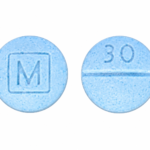
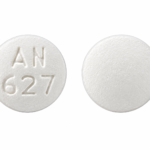
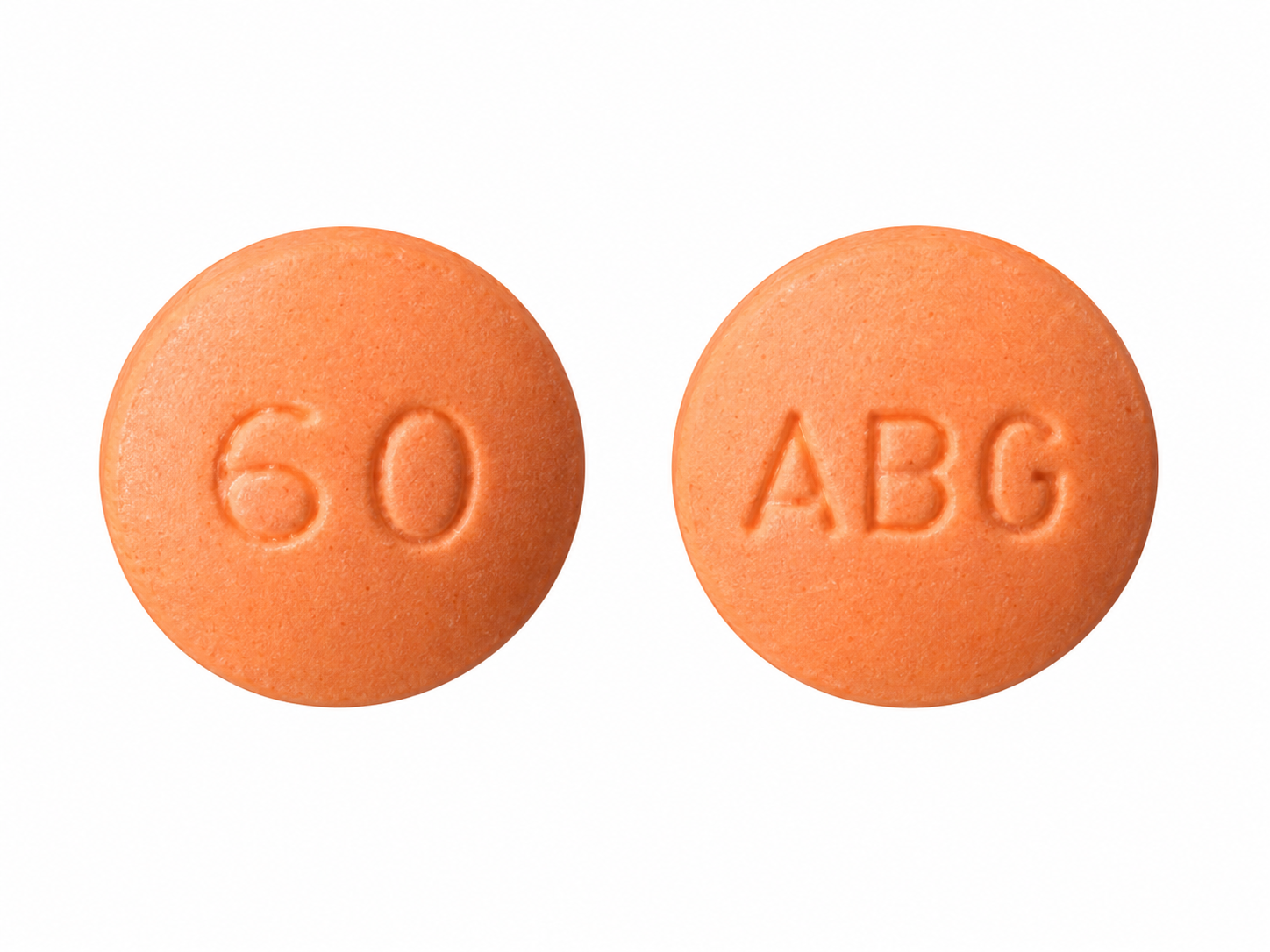
What Is Oxycodone 60 mg?
Oxycodone 60 mg is a high-strength prescription opioid medication generally associated with extended-release oxycodone tablets. It contains oxycodone hydrochloride, an opioid analgesic that works on the central nervous system to reduce the perception of pain.
Healthcare professionals may prescribe extended-release oxycodone for adults experiencing severe, persistent pain when alternative treatment options are inadequate, not tolerated, or otherwise unsuitable.
Unlike immediate-release oxycodone, extended-release tablets are designed to release medication gradually over approximately 12 hours. They are intended for scheduled, around-the-clock treatment rather than occasional or as-needed pain relief.
Important safety information: Oxycodone 60 mg extended-release tablets are restricted to patients who have established tolerance to opioids of comparable potency. They can cause life-threatening respiratory depression, addiction, overdose, and death, particularly when used incorrectly or by someone without the required opioid tolerance.
Oxycodone is classified as a Schedule II controlled substance in the United States and must be used only under a valid prescription and medical supervision.
What Is Oxycodone 60 mg Used For?
Extended-release oxycodone may be prescribed for the management of severe pain that requires continuous, long-term opioid treatment.
A healthcare professional may consider it in selected situations involving:
- Cancer-related pain: Persistent pain associated with cancer or certain cancer treatments.
- Severe chronic pain: Long-lasting pain that requires continuous treatment.
- Serious injury-related pain: Certain cases of ongoing severe pain following significant injuries.
- Post-surgical pain: Selected situations involving persistent severe pain when a long-term opioid treatment plan is medically appropriate.
- Other serious pain conditions: Conditions where alternative treatments do not provide adequate pain management.
Extended-release oxycodone is not intended for mild pain, occasional discomfort, or use as an as-needed pain reliever.
The decision to prescribe it requires an individual assessment of the patient’s condition, previous treatment, opioid tolerance, and risk factors.
How Does Oxycodone 60 mg Work?
Oxycodone acts on opioid receptors in the brain and spinal cord. These receptors are involved in the body’s response to pain.
When oxycodone activates these receptors, it changes how pain signals are processed by the nervous system. This can reduce the intensity of pain experienced by the patient.
Extended-release tablets are designed to release oxycodone gradually rather than delivering the entire medication amount at once.
However, oxycodone also affects other functions controlled by the central nervous system. These effects may include:
- Reduced breathing rate
- Drowsiness and sedation
- Constipation
- Nausea
- Dizziness
- Reduced alertness
Because of these effects, treatment requires careful monitoring by a healthcare professional.
Oxycodone 60 mg Extended-Release Tablets
Oxycodone is available in immediate-release and extended-release formulations. Understanding the difference is important for medication safety.
Extended-Release Oxycodone
Extended-release oxycodone is designed to release medication gradually over an extended period. Certain products, including OxyContin, are formulated for approximately 12-hour dosing intervals.
These products are prescribed for selected patients who need continuous pain management.
Immediate-Release Oxycodone
Immediate-release oxycodone releases its medication more quickly and is used for different pain-management situations.
A 60 mg extended-release tablet should not be considered equivalent to an immediate-release tablet. The formulations have different release characteristics, dosing instructions, and safety considerations.
Never substitute one formulation for another without explicit instructions from a healthcare professional.
Oxycodone 60 mg Dosage and Administration
Oxycodone dosage must be determined by a qualified healthcare professional. Treatment decisions depend on the patient’s opioid tolerance, pain condition, previous medications, overall health, and response to treatment.
A 60 mg extended-release tablet is not appropriate for people who are opioid-naive or who have not established the required opioid tolerance.
According to US prescribing information, 60 mg extended-release tablets are reserved for patients who meet specific opioid-tolerance criteria. For adults, the labeling defines opioid tolerance as receiving, for at least one week, one of the following:
- At least 60 mg of oral morphine per day
- At least 25 mcg per hour of transdermal fentanyl
- At least 30 mg of oral oxycodone per day
- At least 8 mg of oral hydromorphone per day
- At least 25 mg of oral oxymorphone per day
- At least 60 mg of oral hydrocodone per day
- An equivalent daily dose of another opioid
These figures describe the prescribing-label definition of opioid tolerance. They are not instructions for starting, changing, or calculating an individual patient’s medication.
Important Administration Precautions
- Take the medication exactly as prescribed.
- Swallow extended-release tablets whole.
- Never crush, chew, break, cut, or dissolve the tablets.
- Do not take extra tablets if pain continues.
- Do not use extended-release oxycodone as an occasional or as-needed medication.
- Do not combine it with alcohol or unapproved sedating medicines.
- Speak with your prescriber before stopping regular treatment.
- Keep the medication away from children and anyone for whom it was not prescribed.
Breaking or crushing an extended-release tablet can release too much oxycodone at once, potentially causing a fatal overdose.
Possible Side Effects of Oxycodone 60 mg
Oxycodone may cause side effects because it affects the central nervous system and other body functions. The likelihood and severity of these effects can vary between individuals.
Common Side Effects
Some commonly reported side effects include:
- Constipation
- Nausea
- Vomiting
- Drowsiness
- Dizziness
- Headache
- Dry mouth
- Itching
- Sweating
- Weakness or tiredness
Patients should discuss persistent or troublesome symptoms with their healthcare provider.
Serious Side Effects
More serious complications may include:
- Slow or shallow breathing
- Severe respiratory depression
- Extreme sleepiness
- Loss of consciousness
- Severe low blood pressure
- Confusion
- Severe allergic reactions
- Opioid overdose
Seek emergency medical attention if someone taking oxycodone becomes difficult to wake, develops slow or irregular breathing, or loses consciousness.
Oxycodone 60 mg and Respiratory Depression
Respiratory depression is one of the most serious complications associated with opioid medications.
It occurs when the medication slows breathing to a dangerous level. In severe cases, the body may not receive enough oxygen to support normal brain and organ function.
The risk can increase when:
- Treatment is started or the dose is increased.
- The patient does not have established opioid tolerance.
- Oxycodone is combined with alcohol.
- Other sedating medications are taken at the same time.
- The patient has an existing respiratory condition.
Warning Signs of Opioid Overdose
Recognizing an opioid overdose quickly can save a life.
Possible warning signs include:
- Very slow, shallow, or stopped breathing
- Unusual snoring or gurgling sounds
- Inability to wake the person
- Limp or unresponsive body
- Cold or clammy skin
- Blue or grey lips or fingertips
- Very slow heartbeat
Emergency action: Call 911 immediately if an overdose is suspected. Give naloxone if available and follow the emergency dispatcher’s instructions. Naloxone can temporarily reverse opioid overdose effects, but emergency medical evaluation is still necessary.
Drug Interactions: What Should Patients Avoid?
Oxycodone can interact with other medications and substances. Some combinations increase sedation and can cause dangerous breathing problems.
Patients should provide their doctor and pharmacist with a complete list of medicines, supplements, and substances they use.
1. Benzodiazepines
Medicines such as alprazolam, lorazepam, and diazepam may increase sedation and respiratory depression when combined with oxycodone.
2. Other Opioid Medications
Combining oxycodone with other opioid medicines may increase the risk of excessive sedation, respiratory depression, and overdose.
3. Sleeping Pills and Sedatives
Certain sleeping medications and sedating drugs can intensify the effects of oxycodone on the central nervous system.
4. Alcohol
Alcohol can significantly increase the risk of dangerous sedation, breathing difficulties, and potentially fatal overdose. Avoid alcohol during treatment.
5. Certain Antibiotics and Antifungal Medicines
Some medicines affect the enzymes responsible for processing oxycodone. Examples include certain macrolide antibiotics and azole antifungal medications.
These interactions may increase oxycodone exposure and the risk of serious adverse effects.
6. Other Prescription Medicines
Some antidepressants and other prescription medicines may also affect treatment safety. A healthcare professional should review all potential interactions before treatment begins.
Important Warnings and Precautions
Oxycodone 60 mg is a high-strength extended-release opioid formulation. Patients and caregivers should understand the following warnings.
Addiction and Opioid Use Disorder
Oxycodone can cause addiction and opioid use disorder, even when taken according to medical instructions.
Possible warning signs include:
- Taking more medication than prescribed
- Feeling unable to control medication use
- Using medication for reasons other than pain relief
- Continuing use despite serious negative effects
- Experiencing strong cravings
Patients should discuss concerns about medication use with a healthcare professional.
Physical Dependence and Withdrawal
Long-term opioid treatment can cause physical dependence. If regular treatment is stopped suddenly, withdrawal symptoms may occur.
Possible symptoms include:
- Anxiety and restlessness
- Sweating and chills
- Muscle and joint pain
- Runny nose and watery eyes
- Nausea and vomiting
- Diarrhea
- Abdominal cramps
- Difficulty sleeping
Patients should not discontinue regular treatment suddenly without medical advice. A healthcare professional can develop an appropriate reduction plan when treatment needs to end.
Liver and Kidney Conditions
Liver and kidney problems may affect how the body processes or eliminates medication. Patients with these conditions may require additional assessment and careful monitoring.
Respiratory Conditions
People with asthma, chronic obstructive pulmonary disease (COPD), sleep apnea, or other breathing-related conditions may have an increased risk of respiratory complications.
Pregnancy and Breastfeeding
Long-term opioid use during pregnancy may cause neonatal opioid withdrawal syndrome in newborns. Oxycodone may also pass into breast milk and create risks for a breastfeeding infant.
Patients who are pregnant, planning pregnancy, or breastfeeding should discuss treatment options with their healthcare provider.
Who Should Avoid Oxycodone 60 mg or Use Extra Caution?
Oxycodone 60 mg is not suitable for everyone. A healthcare professional must evaluate the patient’s medical history and opioid tolerance before prescribing it.
Extra caution or an alternative treatment may be necessary for people with:
- No established opioid tolerance
- Significant respiratory depression
- Severe asthma in an unmonitored setting
- Known or suspected gastrointestinal obstruction
- Serious liver or kidney impairment
- Certain neurological conditions or head injuries
- A history of opioid misuse or addiction
- Conditions associated with reduced consciousness
Patients should never use medication prescribed to another person.
Safe Storage and Disposal of Oxycodone 60 mg
Oxycodone is a controlled medication, and accidental exposure can be dangerous.
Follow these storage precautions:
- Store the medication securely and out of children’s reach.
- Keep it in its original packaging when possible.
- Avoid leaving tablets in accessible locations.
- Never share prescription medication.
- Do not keep unused tablets unnecessarily.
- Follow FDA or local pharmacy guidance for safe disposal.
Accidental ingestion by a child or someone who has not been prescribed oxycodone can result in a life-threatening emergency.
Frequently Asked Questions About Oxycodone 60 mg
1. What is Oxycodone 60 mg used for?
Oxycodone 60 mg extended-release tablets may be prescribed for selected patients with severe, persistent pain requiring continuous opioid treatment when alternative treatment options are inadequate.
2. Is Oxycodone 60 mg a high-strength medication?
Yes. A 60 mg extended-release oxycodone tablet is a high-strength opioid formulation. It is restricted to patients who have established tolerance to opioids of comparable potency.
3. Is Oxycodone 60 mg an immediate-release tablet?
The 60 mg strength discussed on this page refers to extended-release oxycodone. Patients should always verify the formulation on their prescription label because immediate-release and extended-release products have different instructions.
4. How long does extended-release Oxycodone work?
Certain extended-release oxycodone products are designed to release medication over approximately 12 hours. The actual effect and duration can vary between individuals and products.
5. Can Oxycodone 60 mg be used by someone who has never taken opioids?
No. The 60 mg extended-release strength is not intended for opioid-naive patients. Prescribing information restricts this strength to patients who meet the required opioid-tolerance criteria.
6. What are the common side effects of Oxycodone 60 mg?
Common side effects include constipation, nausea, vomiting, drowsiness, dizziness, itching, dry mouth, headache, and sweating.
7. Can Oxycodone 60 mg cause addiction?
Yes. Oxycodone carries a risk of addiction, misuse, and physical dependence. Patients should follow their prescription instructions and remain under medical supervision.
8. Can Oxycodone 60 mg be taken with alcohol?
No. Alcohol can increase the sedative effects of oxycodone and raise the risk of severe breathing problems, overdose, and death.
9. Can extended-release Oxycodone tablets be crushed or broken?
No. Extended-release tablets must be swallowed whole according to the product instructions. Crushing, chewing, cutting, or dissolving them can release a potentially dangerous amount of medication at once.
10. What should I do if I miss a dose?
Follow the instructions provided with your specific prescription and contact your pharmacist or prescriber if you are uncertain. Do not take extra medication to make up for a missed dose.
11. What should I do if someone takes too much Oxycodone?
An overdose is a medical emergency. Call 911 immediately if the person has slow breathing, cannot be awakened, or becomes unconscious. Give naloxone if available and follow emergency instructions.
12. Can Oxycodone 60 mg be stopped suddenly?
Stopping regular opioid treatment suddenly may cause withdrawal symptoms. Patients should speak with their healthcare provider about a medically supervised plan before stopping treatment.
Conclusion
Oxycodone 60 mg is a high-strength extended-release opioid medication used in selected cases of severe, persistent pain. It is intended for patients who require continuous opioid treatment and have established tolerance to opioids of comparable potency.
Although it may help manage severe pain under appropriate medical supervision, it carries significant risks, including respiratory depression, addiction, physical dependence, and potentially fatal overdose.
Patients should use oxycodone only as prescribed, understand the difference between immediate-release and extended-release formulations, and discuss possible side effects and drug interactions with their healthcare provider.
Medical Disclaimer: This article is intended for educational purposes only. It does not replace professional medical advice, diagnosis, or treatment. Oxycodone is a Schedule II controlled substance in the United States and should only be used under the supervision of a licensed healthcare professional.