
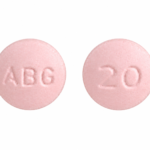
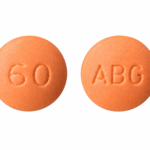
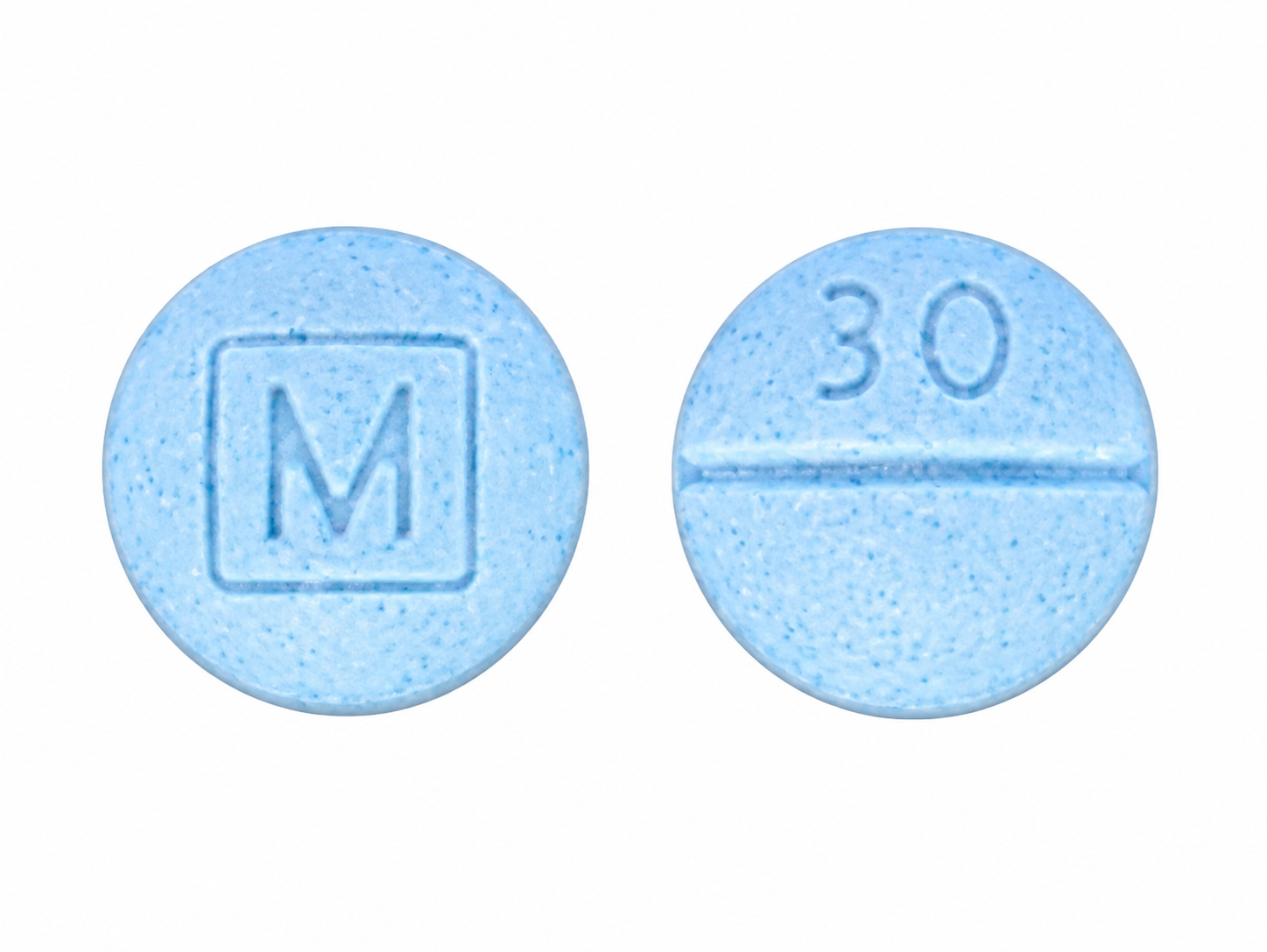
What Is Oxycodone 30 mg?
Oxycodone 30 mg is a prescription-strength opioid pain medication containing oxycodone hydrochloride. It belongs to a class of medicines called opioid analgesics, which work on the central nervous system to reduce the perception of pain. Healthcare professionals may prescribe oxycodone for certain cases of severe pain when other treatment options are not sufficient or appropriate.
The 30 mg strength is available in immediate-release tablet formulations. However, the appropriate strength and formulation depend on a patient’s medical condition, previous opioid exposure, pain severity, and individual response to treatment.
Oxycodone is a controlled medication in the United States because it carries risks of misuse, addiction, physical dependence, respiratory depression, and potentially fatal overdose. It should only be used by the person for whom it was prescribed and under medical supervision.
What Is Oxycodone 30 mg Used For?
Oxycodone is prescribed to help manage severe pain when a healthcare professional determines that an opioid medication is necessary. Depending on the patient’s condition and the prescribed formulation, it may be used in situations involving:
- Post-surgical pain: Pain experienced after certain surgical procedures.
- Injury-related pain: Severe pain associated with significant injuries.
- Cancer-related pain: Pain caused by cancer or certain cancer treatments.
- Severe chronic pain: Selected cases of persistent pain requiring opioid treatment.
- Other serious pain conditions: Situations where alternative treatments do not provide adequate relief.
Not every patient with pain needs an opioid. A healthcare professional evaluates the cause of pain, medical history, and potential risks before considering oxycodone treatment.
How Does Oxycodone 30 mg Work?
Oxycodone acts on opioid receptors in the brain and spinal cord. These receptors are involved in how the body processes and responds to pain signals.
By activating these receptors, oxycodone changes the way the nervous system perceives pain. This can reduce the intensity of pain and improve comfort in appropriately selected patients.
However, the same action can also affect other body functions. Oxycodone may cause drowsiness, constipation, sedation, and slowed breathing. These effects explain why medical supervision is essential during treatment.
Oxycodone 30 mg Tablet: Strength and Formulation
Oxycodone is available in different strengths and formulations. A 30 mg tablet generally refers to an immediate-release oxycodone hydrochloride tablet, but patients should always verify the exact product information on the prescription label.
Immediate-Release Oxycodone
Immediate-release oxycodone releases the medication relatively quickly after administration. It is prescribed for certain types of severe pain when a healthcare professional considers this formulation appropriate.
Extended-Release Oxycodone
Extended-release oxycodone is designed to release medication over a longer period. It is used for selected patients with severe, persistent pain when around-the-clock opioid treatment is necessary and alternative treatments are inadequate.
Immediate-release and extended-release products are not interchangeable without medical direction. Their dosing schedules, intended uses, and safety considerations differ.
Oxycodone 30 mg Dosage and Administration
Oxycodone dosage must be determined individually by a licensed healthcare professional. The correct prescription depends on several factors, including:
- The severity and cause of the pain
- Previous opioid use and tolerance
- Age and overall health
- Liver and kidney function
- Other medications being used
- Previous reactions to opioid medicines
Important: A 30 mg tablet is not a standard starting dose for opioid-naive patients. Current prescribing information for immediate-release oxycodone describes a usual initial dosing range of 5–15 mg every 4–6 hours as needed, with individual adjustments made by the prescriber. This is not a personal dosing recommendation. Never increase a dose or take a 30 mg tablet unless it has specifically been prescribed for you.
Important Administration Precautions
- Follow the exact instructions on your prescription label.
- Never take more medication or take it more frequently than prescribed.
- Do not share oxycodone with another person.
- Avoid alcohol while taking oxycodone.
- Do not drive or operate machinery if you feel sleepy, dizzy, or impaired.
- Ask your healthcare professional before stopping regular treatment.
- Do not crush, chew, or break extended-release tablets.
Possible Side Effects of Oxycodone 30 mg
Like other opioid medications, oxycodone can cause side effects. Their severity may depend on the prescribed amount, individual sensitivity, other medicines, and overall health.
Common Side Effects
Some commonly reported side effects include:
- Nausea
- Vomiting
- Constipation
- Dizziness
- Drowsiness
- Headache
- Weakness or tiredness
- Dry mouth
- Sweating
- Itching
Patients should inform their healthcare provider if side effects are persistent, severe, or interfere with everyday activities.
Serious Side Effects
Oxycodone can also cause serious medical complications, including:
- Slow, shallow, or difficult breathing
- Severe sedation or loss of consciousness
- Very low blood pressure
- Confusion or unusual behavior
- Severe allergic reactions
- Seizures
- Signs of opioid overdose
Seek emergency medical assistance immediately if someone taking oxycodone has difficulty breathing, cannot be awakened, or shows signs of an overdose.
Oxycodone 30 mg and the Risk of Respiratory Depression
Respiratory depression is one of the most serious risks associated with oxycodone. It occurs when breathing becomes dangerously slow or inadequate.
The risk can be especially concerning when treatment begins, when the dose increases, or when oxycodone is combined with other medicines or substances that slow the central nervous system.
Warning signs may include:
- Slow or irregular breathing
- Long pauses between breaths
- Unusual snoring or gurgling sounds
- Extreme sleepiness
- Difficulty waking up
- Blue or grey lips or fingertips
If an overdose is suspected, call 911 immediately. Administer naloxone if available and follow emergency dispatcher instructions. Naloxone can temporarily reverse opioid overdose effects, but emergency medical care is still necessary.
Drug Interactions: Medicines to Discuss With Your Doctor
Oxycodone may interact with other medications and substances, potentially increasing the risk of dangerous side effects.
Tell your doctor and pharmacist about all prescription medicines, over-the-counter products, vitamins, and supplements you use.
Important interactions may involve:
Benzodiazepines
Medicines such as alprazolam, lorazepam, and diazepam can increase sedation and respiratory depression when combined with oxycodone.
Other Opioid Medications
Using oxycodone with other opioid pain medicines can increase the risk of excessive sedation and overdose.
Sleep and Anxiety Medicines
Certain sleeping pills and anxiety medications may intensify the sedative effects of oxycodone.
Alcohol
Alcohol can increase drowsiness and breathing-related complications. Avoid drinking alcohol during oxycodone treatment.
Certain Antidepressants and Other Medicines
Some antidepressants and medicines that affect liver enzymes can change oxycodone’s effects or increase the risk of adverse reactions. A pharmacist or healthcare professional can review potential interactions.
Important Warnings and Precautions
Oxycodone 30 mg requires careful medical supervision because of its potential risks.
Addiction and Misuse
Oxycodone can cause addiction or opioid use disorder, even when used according to a prescription. The risk may be higher in people with a personal or family history of substance use problems.
Take the medication only as prescribed and discuss any concerns about dependence with your healthcare provider.
Physical Dependence and Withdrawal
With repeated use, the body may become physically dependent on oxycodone. Stopping suddenly or reducing the dose too quickly can cause withdrawal symptoms.
Possible symptoms include:
- Restlessness and anxiety
- Sweating and chills
- Muscle and joint pain
- Runny nose and watery eyes
- Nausea and vomiting
- Diarrhea and abdominal cramps
- Difficulty sleeping
Patients who have been taking oxycodone regularly should consult their prescriber before reducing or stopping treatment. A medically supervised plan may be necessary.
Liver and Kidney Conditions
People with liver or kidney problems may require additional evaluation because these conditions can affect how the body processes or eliminates medication.
Breathing Problems
Patients with asthma, chronic obstructive pulmonary disease (COPD), sleep-related breathing problems, or other respiratory conditions should discuss these conditions with their healthcare provider before using oxycodone.
Pregnancy and Breastfeeding
Regular opioid use during pregnancy may cause neonatal opioid withdrawal syndrome in a newborn. Oxycodone can also pose risks during breastfeeding. Anyone who is pregnant, planning pregnancy, or breastfeeding should discuss treatment options with a healthcare professional.
Who Should Avoid or Use Extra Caution With Oxycodone?
Oxycodone may not be suitable for everyone. A healthcare professional must assess its risks before prescribing it.
Extra caution or an alternative treatment may be necessary for people with:
- Significant breathing difficulties
- Severe asthma in an unmonitored setting
- Known or suspected gastrointestinal obstruction
- Serious liver or kidney impairment
- A history of opioid misuse or addiction
- Head injury or certain neurological conditions
- Conditions associated with reduced consciousness
Never use another person’s prescription, even if the symptoms appear similar.
Safe Storage and Disposal
Because oxycodone is a controlled opioid medication, safe storage is important.
- Keep the medication in its original packaging when possible.
- Store it in a secure location away from children and visitors.
- Never leave tablets in an easily accessible place.
- Do not share or sell prescription medication.
- Follow FDA or local pharmacy guidance for disposing of unused medication.
Accidental ingestion can be especially dangerous for children and other people who have not been prescribed the medication.
Frequently Asked Questions About Oxycodone 30 mg
1. What is Oxycodone 30 mg prescribed for?
Oxycodone is prescribed for certain cases of severe pain when other treatment options are inadequate or inappropriate. The decision depends on the patient’s condition and medical history.
2. Is Oxycodone 30 mg a strong opioid?
Yes. Oxycodone is a potent prescription opioid, and 30 mg is a higher-strength immediate-release tablet. It is not appropriate as a starting dose for most people who have not previously taken opioids. A healthcare professional must determine whether this strength is suitable.
3. How does Oxycodone 30 mg work?
Oxycodone activates opioid receptors in the brain and spinal cord. This changes how the nervous system processes pain signals and can reduce the sensation of pain.
4. Can Oxycodone 30 mg cause addiction?
Yes. Oxycodone can cause addiction, misuse, and physical dependence. These risks can occur even when the medicine is taken as prescribed. Patients should follow medical instructions and discuss concerns with their healthcare provider.
5. What are the common side effects of Oxycodone?
Common side effects include constipation, nausea, vomiting, dizziness, drowsiness, headache, and tiredness. Serious symptoms such as slow breathing or extreme sleepiness require immediate medical attention.
6. Can Oxycodone be taken with alcohol?
No. Alcohol can increase the sedative effects of oxycodone and raise the risk of respiratory depression, overdose, and death.
7. Is Oxycodone 30 mg the same as OxyContin 30 mg?
Not necessarily. Oxycodone is the active ingredient, while OxyContin is a brand of extended-release oxycodone. Immediate-release and extended-release products have different release characteristics and instructions. They should never be substituted for one another without medical direction.
8. What should I do if I miss a dose?
Follow the instructions provided with your specific prescription. Do not double a dose to make up for a missed one. Contact your pharmacist or prescriber if you are unsure what to do.
9. Can Oxycodone be stopped suddenly?
Stopping regular oxycodone treatment suddenly may cause withdrawal symptoms. Speak with your healthcare professional about a gradual, medically supervised reduction if treatment needs to end.
10. What should I do if someone takes too much Oxycodone?
An overdose is a medical emergency. Call 911 immediately if the person is difficult to wake, has slow or shallow breathing, or becomes unconscious. Give naloxone if available and follow emergency instructions.
Conclusion
Oxycodone 30 mg is a prescription opioid medication used in selected cases of severe pain. Although it can provide pain relief when appropriately prescribed, it carries significant risks, including respiratory depression, addiction, physical dependence, and overdose.
Patients should use oxycodone only under the supervision of a qualified healthcare professional. Understanding its formulation, possible side effects, drug interactions, and safety precautions can help support informed treatment decisions.
Medical Disclaimer: This article is intended for educational purposes only and does not replace professional medical advice, diagnosis, or treatment. Oxycodone is a controlled prescription medication in the United States. Always consult a licensed healthcare professional before starting, changing, or stopping any medication.